We repair timber window frames, sills and opening problems, keeping sound components where a local repair is practical. We check decay, water entry and the sash movement before repairing timber, adjusting fittings or preparing the agreed paint finish.
We check the sill, frame corners and joints to find the extent of soft timber and where moisture is reaching it. After the water source is dealt with, failed wood is removed far enough to establish sound material and fixing points. A local timber section can retain the rest of a sound window; damage that extends into the main frame or weakens its support calls for a wider replacement scope.
Windows that bind
We protect the glass and adjoining finishes, then check how the window moves. On a hinged window we look at the hinges, their fixing points and where the sash rubs. On a sliding window we check where it binds against the frame or track. Paint build-up, loose fittings and moisture movement need different repairs. We adjust sound fittings or replace compatible parts on sound timber. If the damaged timber or fitting is accessible and the window can be kept secure, we assess repair in place. If retaining the sash blocks access to sound fixing points, we discuss removal and refitting before work starts. Once a sash is adjusted or refitted, we check it opens, closes and latches properly. Specialist glazing and sash-balance mechanisms are separate work.
Repair and finish together
For an agreed paint finish, we remove loose coating, prepare the repaired profile and sand it without rounding away the sill detail. Bare timber and replacement sections receive the primer or sealer required by the selected compatible coating system before the finishing coats. Timber must be suitably dry. A draught at the moving sash edge and water staining at the sill call for different checks. We look at how the sash closes and whether wear at the seal or a gap at the frame is involved before defining the work. Paint finishing is quoted separately from timber repair, and we keep sill falls, flashing edges, drainage openings and moving joints working.
Damaged part, what we check, repair or replace
Damaged part
What we check
Local repair suits
Wider replacement suits
Sill
Extent of soft timber, frame corners and joints, where moisture reaches it
Failed wood removed back to sound material; a local timber section retains the rest of a sound window
Decay extends into the main frame or weakens its support
Frame corners and joints
Depth of sound timber, water entry, fixing points
A local section replacement on sound adjoining timber
Widespread damage or a continuing leak needing wider assessment
Adjust usable fittings or replace compatible parts on sound timber
Frame movement — not disguised by cutting the sash
Repair, prepare, paint — the order of work
Timber repair comes first, then preparation, then the agreed paint finish:
Timber repair — remove failed wood back to sound material, fit matching sections or profiles, and confirm secure fixings.
Preparation — remove unsound coating, sand the repaired profile without rounding away the sill detail, and treat bare timber and cut ends.
Painting — primer or sealer required by the selected compatible coating system, then the agreed finishing coats, on suitably dry timber and under suitable conditions.
Throughout, we keep intended sill falls, flashing edges, drainage openings and moving joints working; coating or filler must not create a water trap. Repainting alone will not resolve ongoing moisture or unsound timber.
What the damage may mean
Soft timber at the sill, a window that catches after rain, loose joints and peeling finishes are different clues. Show the whole window as well as the damaged edge so the frame, sill and surrounding wall can be considered together. Do not judge the whole window from one damaged patch alone.
Scope and boundaries
This page concerns timber frames, sills and related carpentry. Glass replacement, aluminium frames, specialist sash-balance mechanisms and heritage conservation are separate scopes. Painting and leak-source work must be stated in the quote rather than assumed.
What shapes a quote
Tell us what is wrong with the window and your suburb. Photos of the whole window and the damaged edge help. We check the window, timber condition and access, and the written quote separates timber repair (removal of failed wood, matching sections or profiles, fixings), preparation (removing unsound coating, sanding, treating bare timber and cut ends), painting (primer or sealer and the agreed finishing coats), and making-good, protection and waste removal. Painting is quoted as part of the job when agreed; it follows the timber repair, never replaces it. Any glass or specialist work is identified in the quote as separate scope, including who handles it and how the opening is secured meanwhile.
We take timber window enquiries across our Sydney service areas. In Strathfield, we assess a soft sill alongside rubbing doors and damaged trim as separate items in one agreed list; in Ashfield we repair timber beside balcony openings, checking the adjoining wall and moisture source before replacement and finishing.
Real case photos: timber-window frames
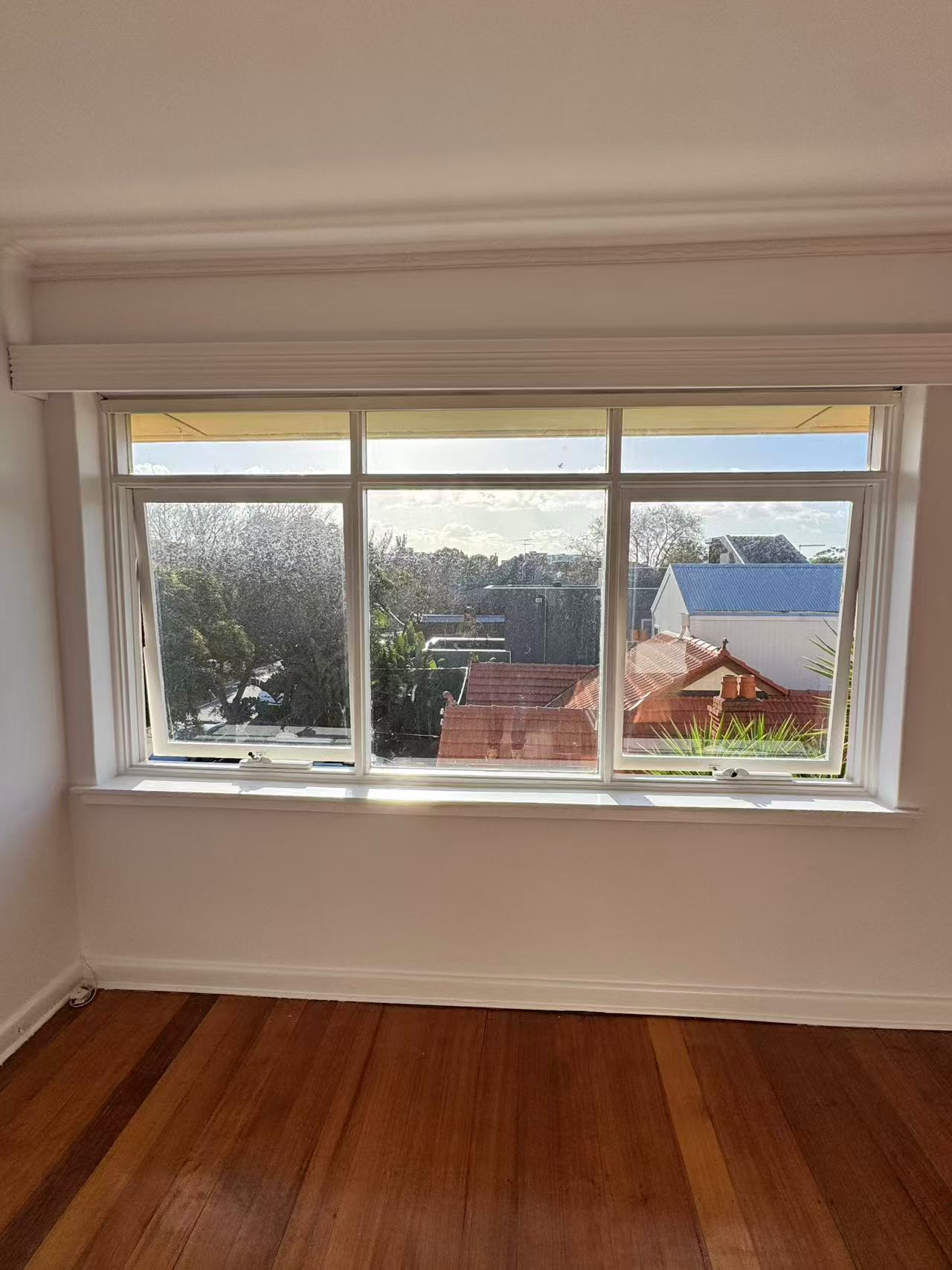
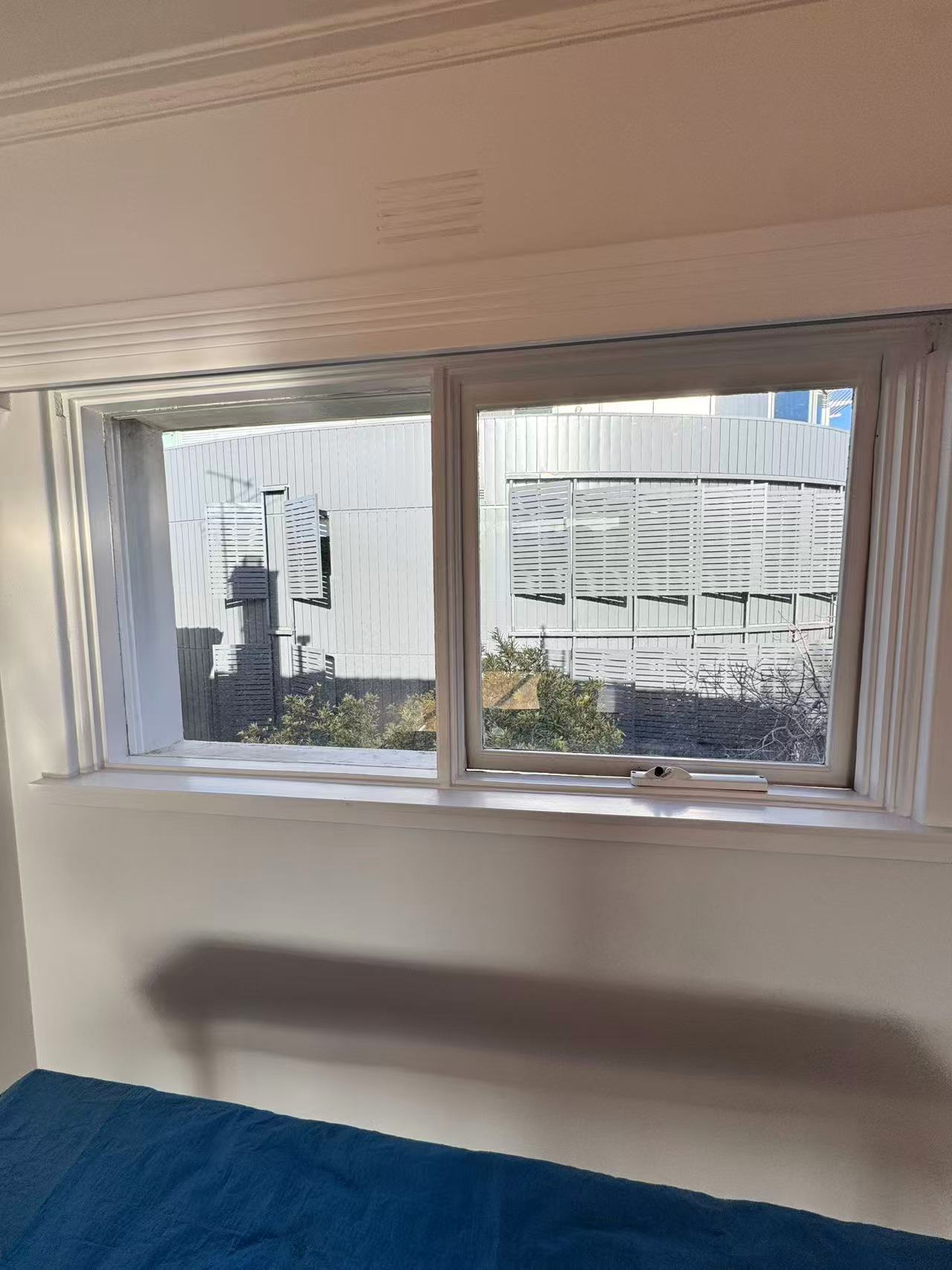
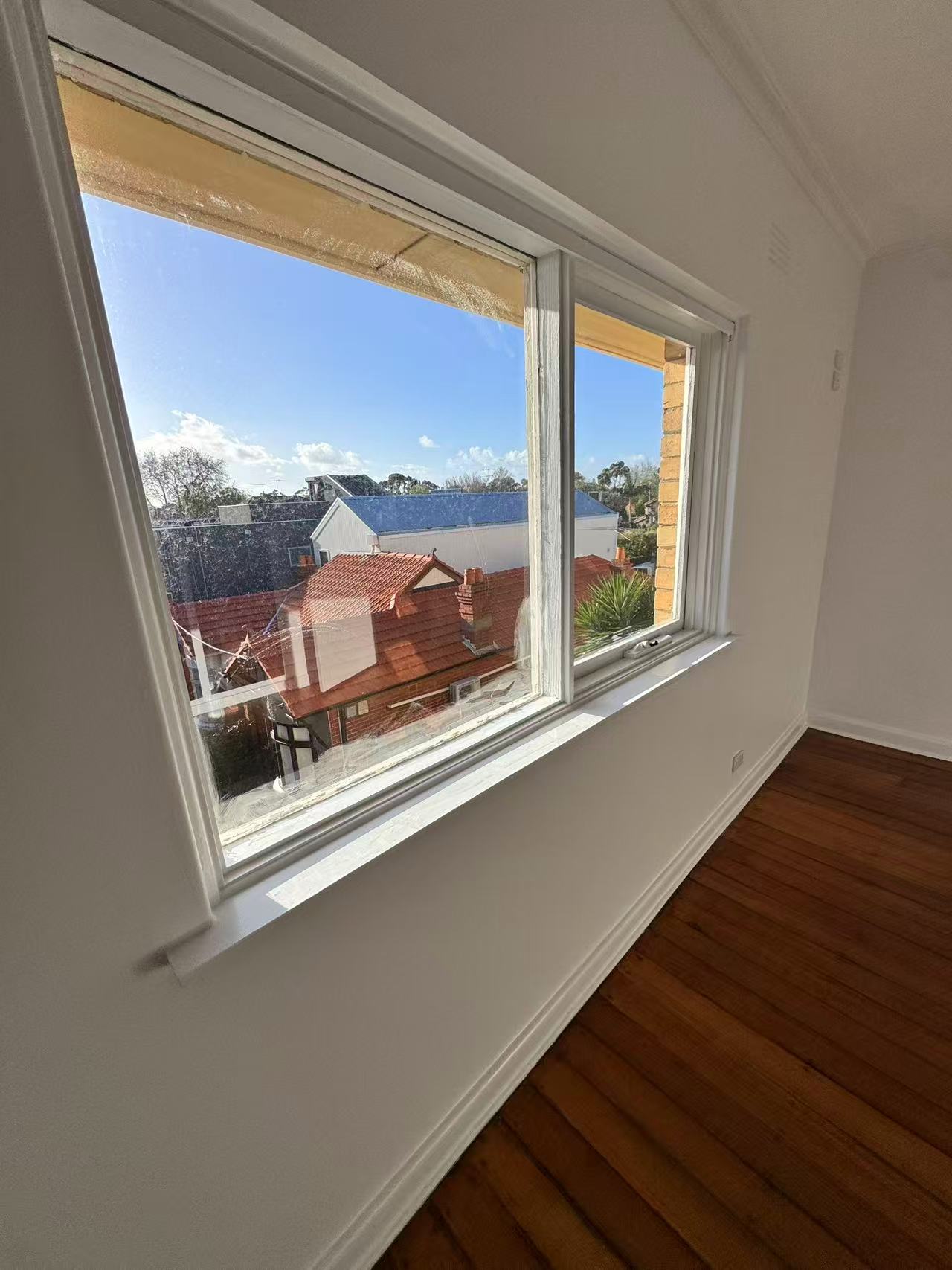
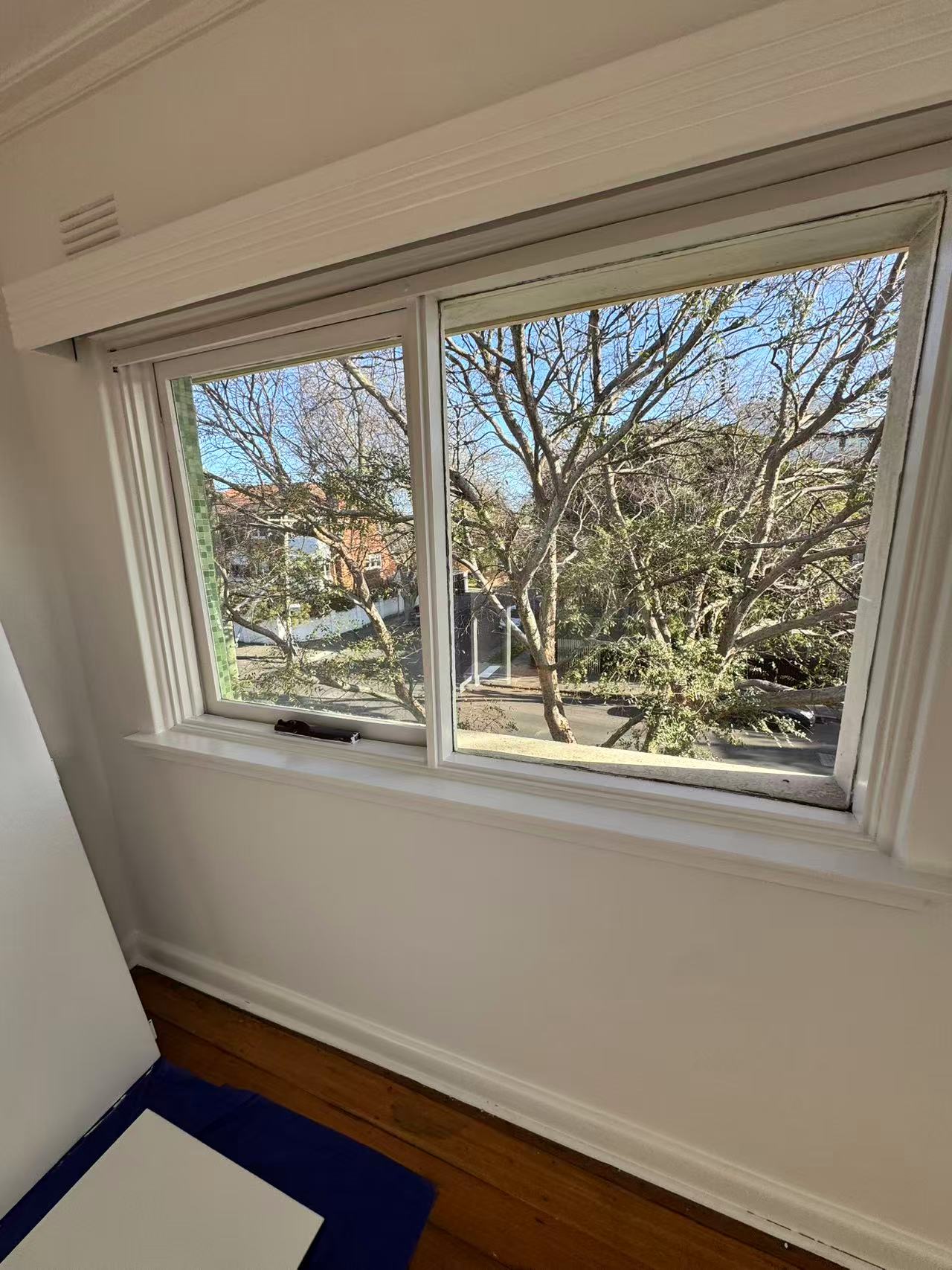
These are separate window examples, not a before-and-after sequence of one job: a white multi-pane timber window and sill, a two-pane window with painted surrounds, a close frame-and-sill detail, and a sliding-window frame. Wide views show openings and trim; close views show sill profiles, frame edges and finishes. For a similar window, we assess timber repair, preparation, repainting and any glass work as distinct parts of the scope.
Window, frame and sillTwo-pane window surroundFrame and sill detailSliding-frame detail
Check the location
We take residential timber enquiries in Sydney and the selected Central Coast, Illawarra and Wollondilly locations listed in our service directory. Tell us your suburb and the work needed; we will discuss scope, access, timing and any travel charges before arranging a visit.
Sometimes, if the adjoining frame is sound and the moisture source is understood. If the same corner has softened again after filler and paint, tell us when it returned and what was repaired. A surface finish, replacement of failed timber and correction of continuing water entry are separate tasks. We need to check how far sound timber continues and whether the source needs another trade before comparing a local repair with a wider replacement. Repainting alone will not resolve ongoing moisture or unsound timber.
Why does the window stick?
Moisture movement, paint build-up, hardware or frame movement can each cause binding. The remedy depends on the actual cause.
Is glass or painting included?
Neither is automatic. We first confirm whether the proposed timber repair can retain the glass and sash in place. If removal or specialist glazing is needed, the written scope should identify who handles it and separate that work from timber repair, preparation and painting. Before anything is removed, agree how the opening will be secured, which rooms or access routes will be affected and when it can be used again. Temporary boarding or same-day reinstatement must be confirmed for the job rather than assumed.