We repair cupboard doors, hinges and drawers by finding whether the fault is in the fitting, its mounting or the cabinet material. We adjust usable parts, fit compatible replacements where needed and check the opening, closing and alignment after refitting.
We identify the hinge type, door gaps and the condition of the cup and fixing holes before adjustment. Sound hinges can be realigned; worn or incompatible parts are replaced only after the mounting pattern and door material are checked. A stripped fixing needs usable surrounding panel material or an appropriate reinforcement. We then check door height, meeting gaps, closing movement and clearance with adjoining doors rather than treating a fresh screw as the finished repair.
Hinge screws no longer hold
We check the screw holes, the hinge cup and the panel material around each fixing. Where the surrounding board is sound, we rebuild the stripped fixing so the screw bites into solid material again — for example, plugging the worn hole with glued timber dowels and re-drilling, or moving to a sound fixing position where the hinge pattern allows. Where the panel has crumbled or swollen around the cup, a local reinforcement or a replacement panel section is needed before the hinge can hold. We refit the door on the repaired fixings, then check its height, meeting gaps and closing movement against the neighbouring doors, so the repair is judged by how the door works, not by a fresh screw alone.
Drawers stick, drop or slide open
For a drawer that sticks, drops or opens by itself, we check both runners, their supports and the drawer box. Runner length, mounting position, retaining parts and the opening system must match the existing cabinet. We correct sound but misaligned parts or fit compatible replacements, then refit and check normal travel and closing. A damaged box or swollen fixing area is repaired separately; force or lubricant alone does not establish that the support is sound.
Swollen panels below a sink
We first establish whether the supply pipe, waste connection, appliance or another source is still wetting the cabinet. Plumbing repair comes before drying and assessing the base panel, adjoining cabinet sides and fixings. Once the space is dry, we protect retained fronts and fittings, remove only the agreed failed panel and fit suitable replacement material to sound supports. A replaceable base panel can be a smaller job than a new cabinet when the surrounding material is sound; widespread swelling or lost fixing strength can require a wider replacement. Edge treatment follows the actual board and finish — a laminated panel is finished to suit its surface, not sanded and painted like bare timber. Reinstatement includes access for connected services, door and drawer alignment, and removal of the agreed waste. The quote confirms the plumber's access, removal, matching material, reinstallation and disposal.
What the damage may mean
Loose hinge cups, stripped screw holes, a runner that binds and a swollen cabinet panel each call for a different remedy. Photos of the open door or drawer and the visible fitting help identify what remains sound without removing an appliance.
Repair, replace or investigate
Hardware may be adjusted or replaced when compatible parts exist and the cabinet body holds a fixing. Damaged carcass material may require local reinforcement or a broader repair; if the old fitting is unavailable, alternatives need agreement before ordering.
Scope and boundaries
This is not a full bespoke kitchen or cabinet manufacturing offer. Dishwashers, rangehoods, plumbing and electrical equipment are outside this carpentry scope. Matching hinges, runners, door finishes and shelf materials are subject to availability.
What shapes a quote
Describe what the cupboard door or drawer is doing. We check the cabinet, fixing points and compatible parts, then explain the repair, access and finish-matching factors that affect the quote. Optional photos can help us start.
Real case photos: cupboard doors and hardware details
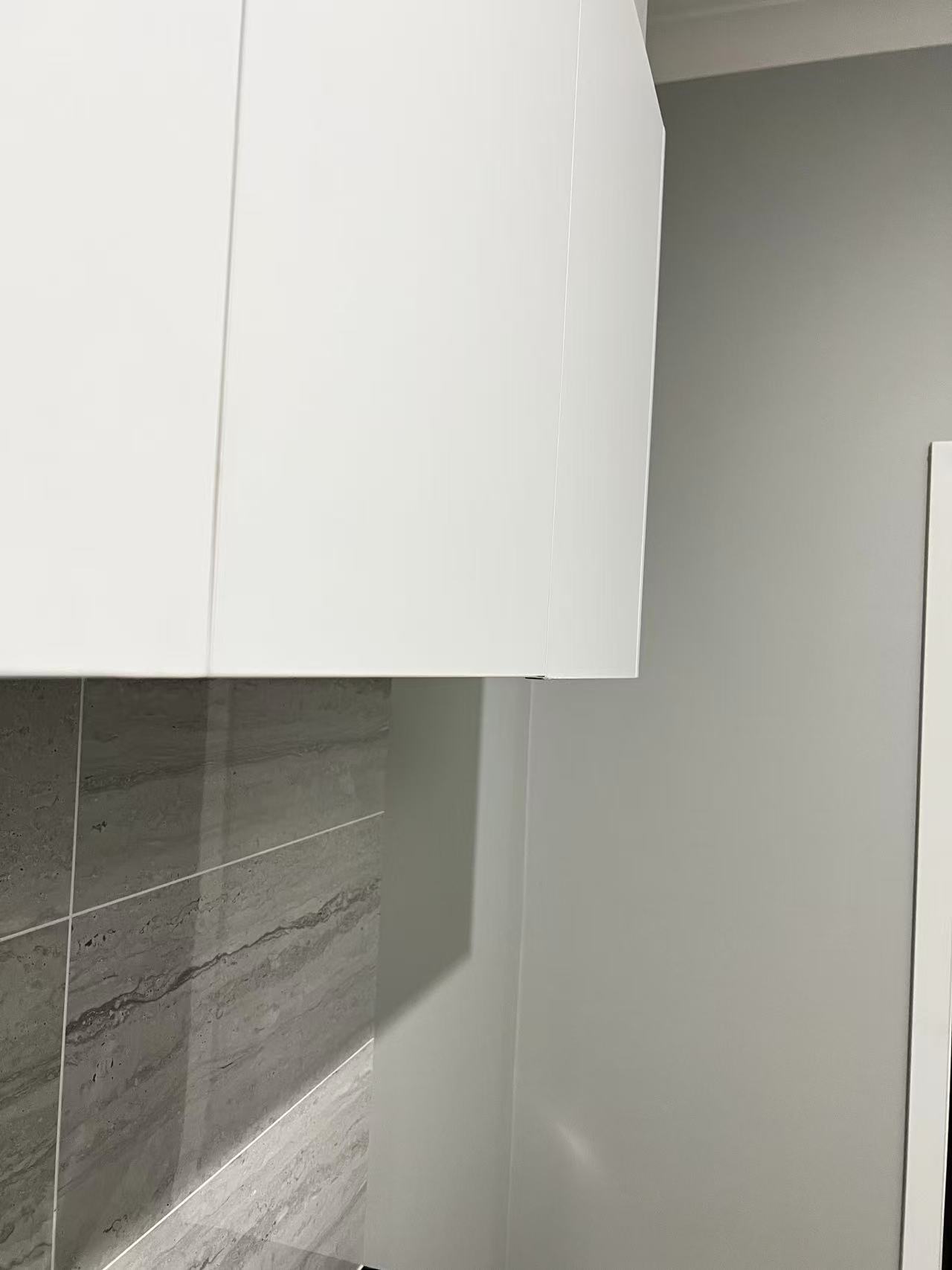
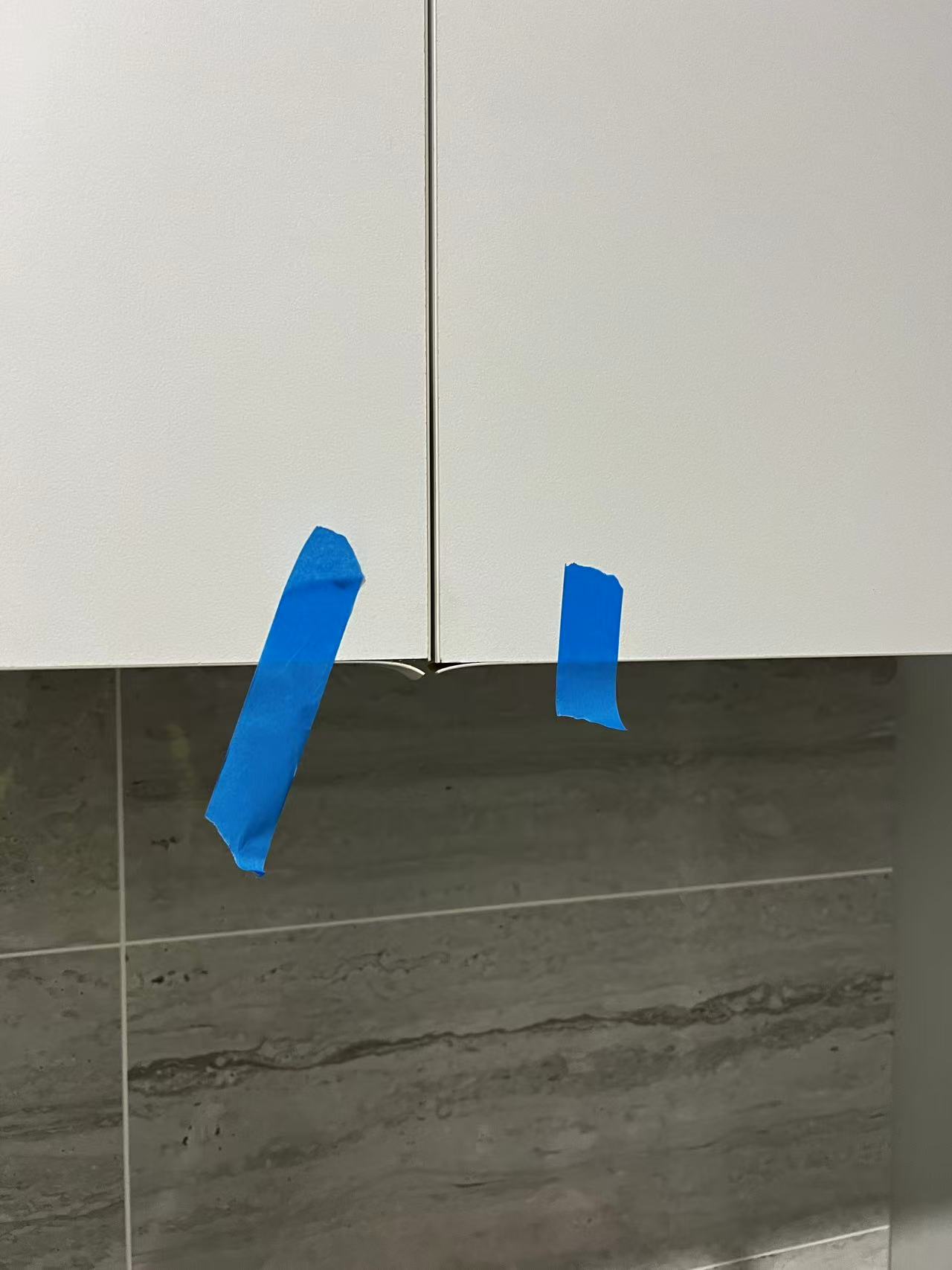
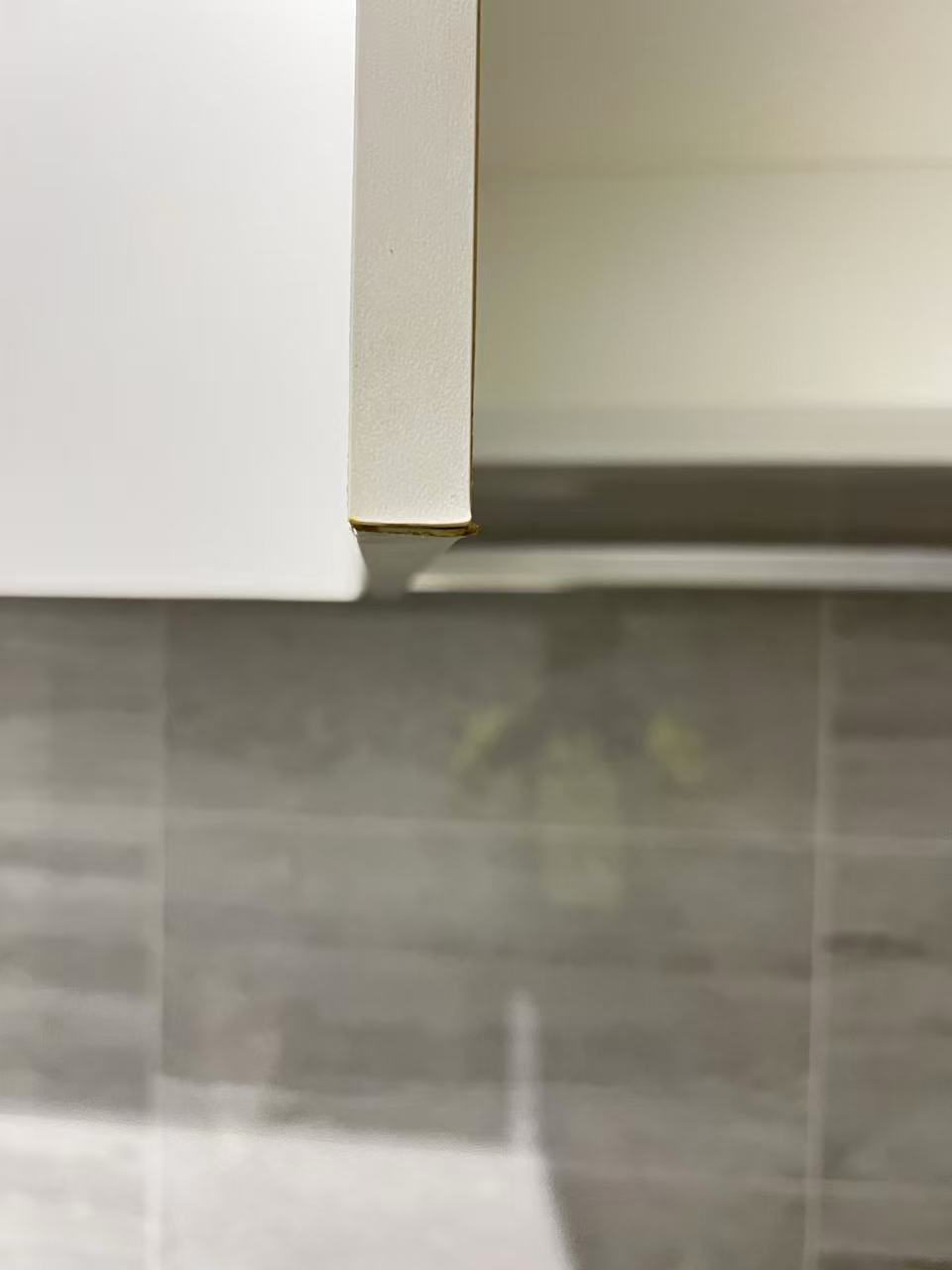
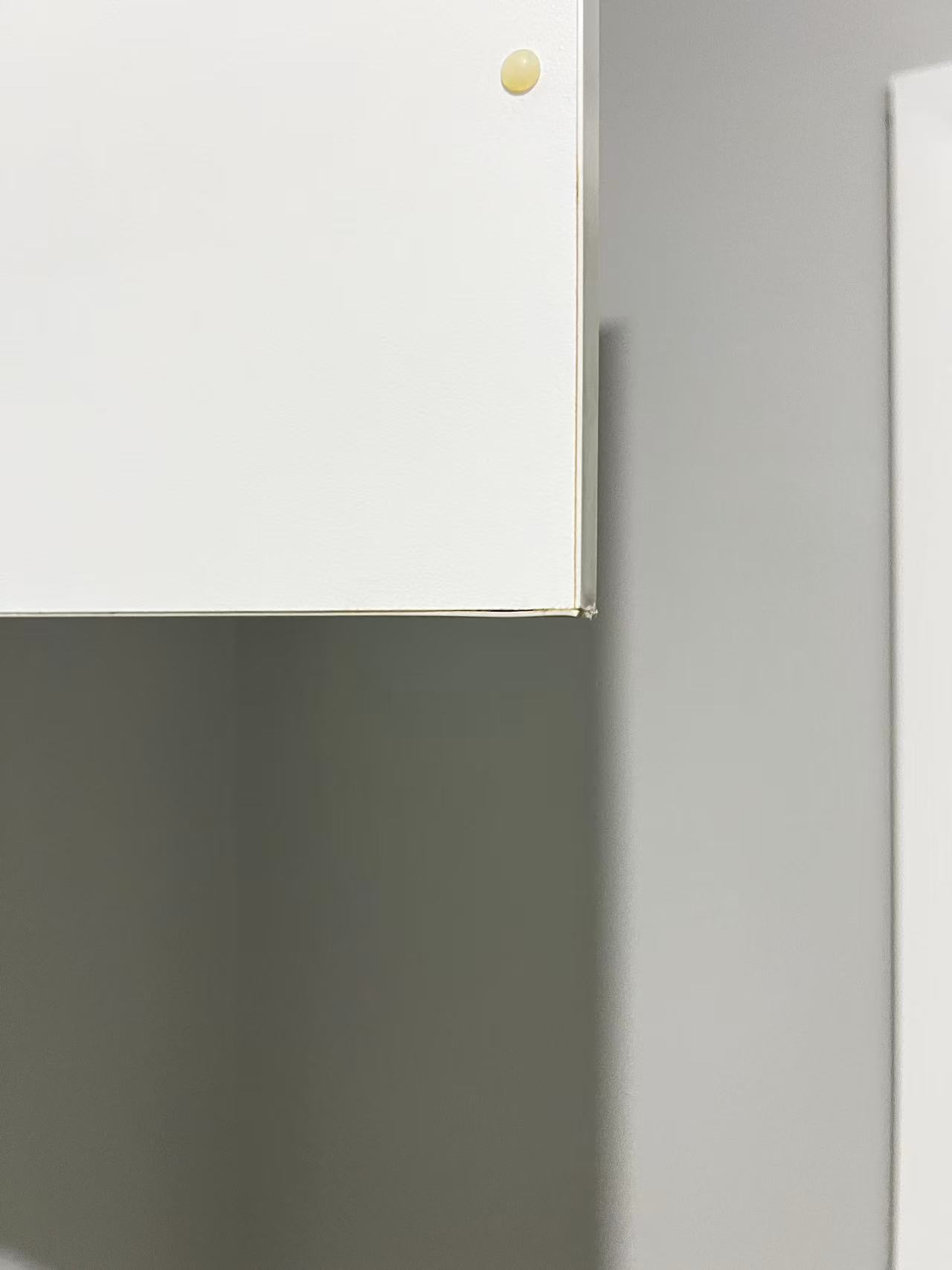
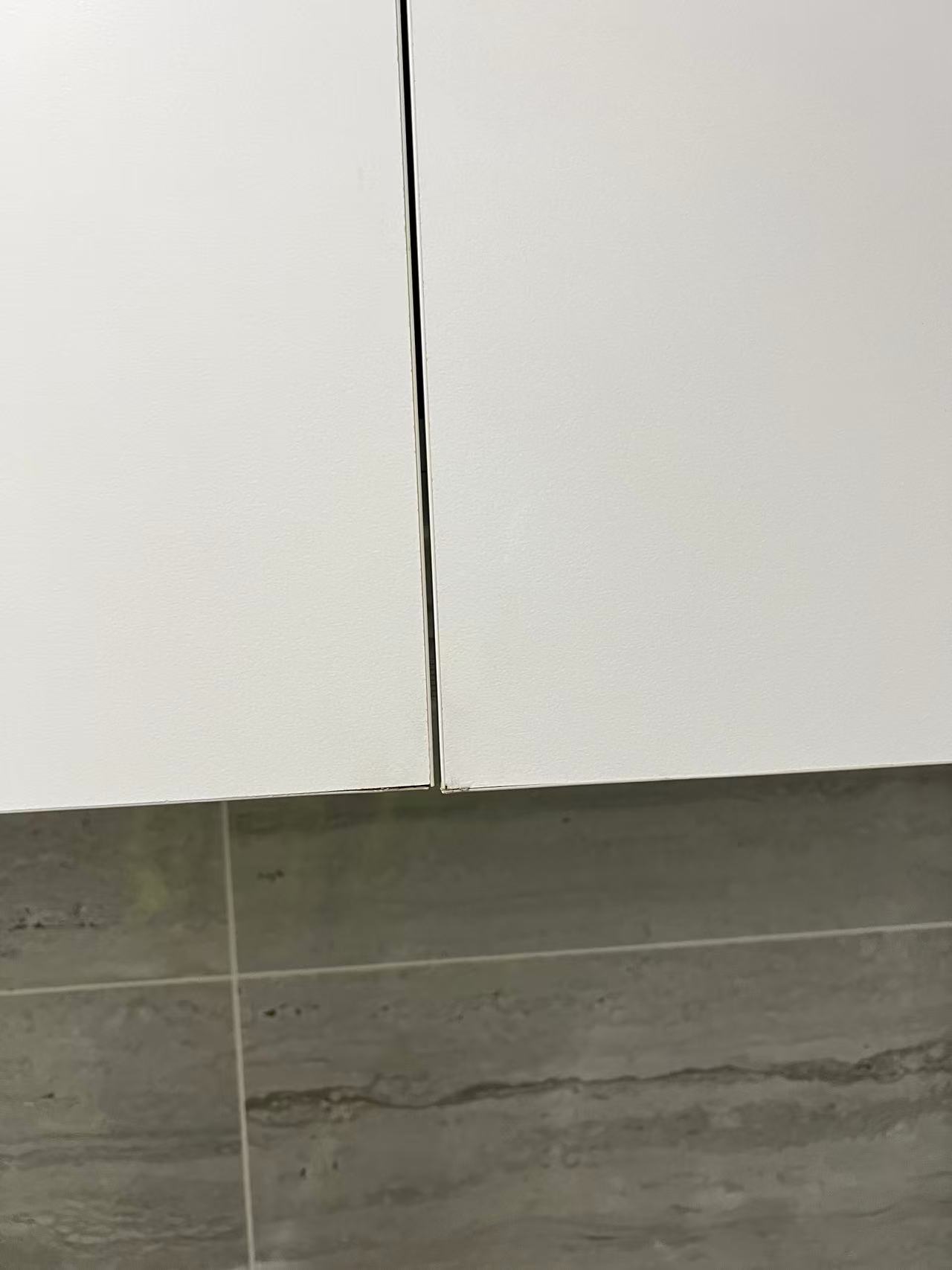
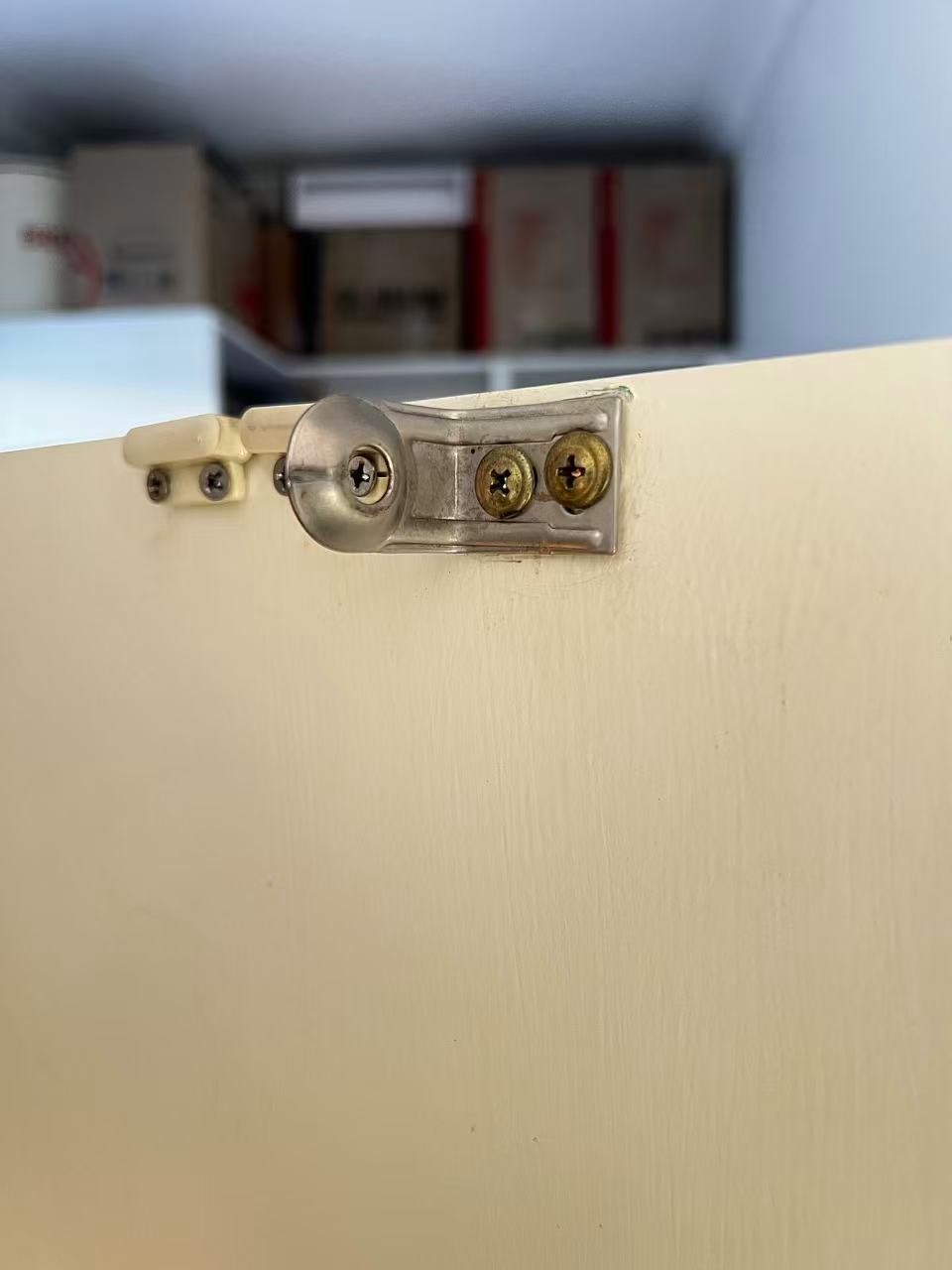
The cupboard close-ups show lifted lower door edges, exposed panel edges, an inside corner and bumper, and the meeting gap between closed doors. A separate detail shows a metal bracket and screws at the top of a panel. These job details illustrate the edges, hinges and fixing surfaces we assess when planning a cabinet repair.
Lower door-edge detailsOpen door: lower edgeInner corner and edgingClosed doors and meeting gapDoor and side-panel detailPanel-top hardware fixing
Check the location
We take residential timber enquiries in Sydney and the selected Central Coast, Illawarra and Wollondilly locations listed in our service directory. Tell us your suburb and the work needed; we will discuss scope, access, timing and any travel charges before arranging a visit.
Often, if compatible parts exist and the fixing points remain usable.
What if parts cannot be matched?
An alternative fitting or larger repair needs a clear scope before purchase.
Can the kitchen stay in place?
Many local repairs can be assessed without removing the entire cabinet, subject to access.
The drawer slides out again after I close it, especially when full. Will new runners fix it?
Tell us that the drawer slides open again and when you noticed it; you do not need to identify the runner system. We check the cabinet support, level, runners, fixings, obstructions and drawer box to find the cause. Leave an unsafe drawer for assessment. Sound parts may suit adjustment; damaged or unavailable parts may need compatible replacement or wider support work. We explain removal, refitting and normal opening checks in the quote, retaining existing fronts and other kitchen parts where the assessed repair allows.