We adjust timber doors, repair damaged jambs and thresholds, and replace a worn door leaf where needed. Hinge and latch alignment, repairable cracks, compatible handles and the agreed paint finish are considered together, with glass and the surrounding opening protected.
We check the closed-door gaps, hinge fixings and strike position to distinguish a dropped leaf from a moving or damaged frame. A usable leaf can be supported and rehung, with the hinges secured to sound material and the strike adjusted to the latch. We check the swing, floor clearance and closing action together. Removing timber from the edge is not the first answer when loose fixings or frame movement are causing the problem.
A damaged jamb or threshold
A cracked jamb or lower door section is checked for depth, loose fibres, moisture and the strength of the surrounding wood. A repairable, non-structural split may be cleaned and bonded with a suitable adhesive, held in alignment while it sets, then filled and sanded as the repair system requires. Soft wood, a failed hinge fixing or a split that compromises the section may need timber replacement instead. On glazed doors, we protect the glass and confirm whether safe repair needs a glazier.
Keeping the existing door
For a replacement internal door, we measure the opening, check the existing frame and agree the leaf and compatible handle or latch before fitting. The work separates door-leaf replacement from any frame replacement. Where painting is included, we protect adjoining surfaces, prepare the leaf and repaired frame, prime bare timber as required and apply the agreed finish to the specified faces and edges. After refitting hardware, we check hinge movement, latch engagement and closing clearance.
What the damage may mean
A timber door can catch at the floor, miss its latch or reveal a soft lower jamb. The gap pattern, hinge fixing and threshold help distinguish a hanging issue from decay or movement in the frame. Avoid forcing an unstable door just to demonstrate it.
Repair, replace or investigate
A sound door may be rehung or have hardware adjusted; limited damage to a jamb or threshold may be replaced locally. If the surrounding frame, wall or moisture source is compromised, the work may need a larger scope and another trade before a repair is agreed.
Scope and boundaries
Fire-rated doors, emergency lockouts, automatic doors, glass doors and aluminium sliding tracks are not assumed to be ordinary timber-door repairs. New door installation is a separate conditional scope. Finishing and hardware supply are quoted explicitly.
What shapes a quote
Describe what the door is doing or where it is damaged. We check the opening, frame, hardware and access, then identify suitable repairs, material matching and finishing in the written estimate.
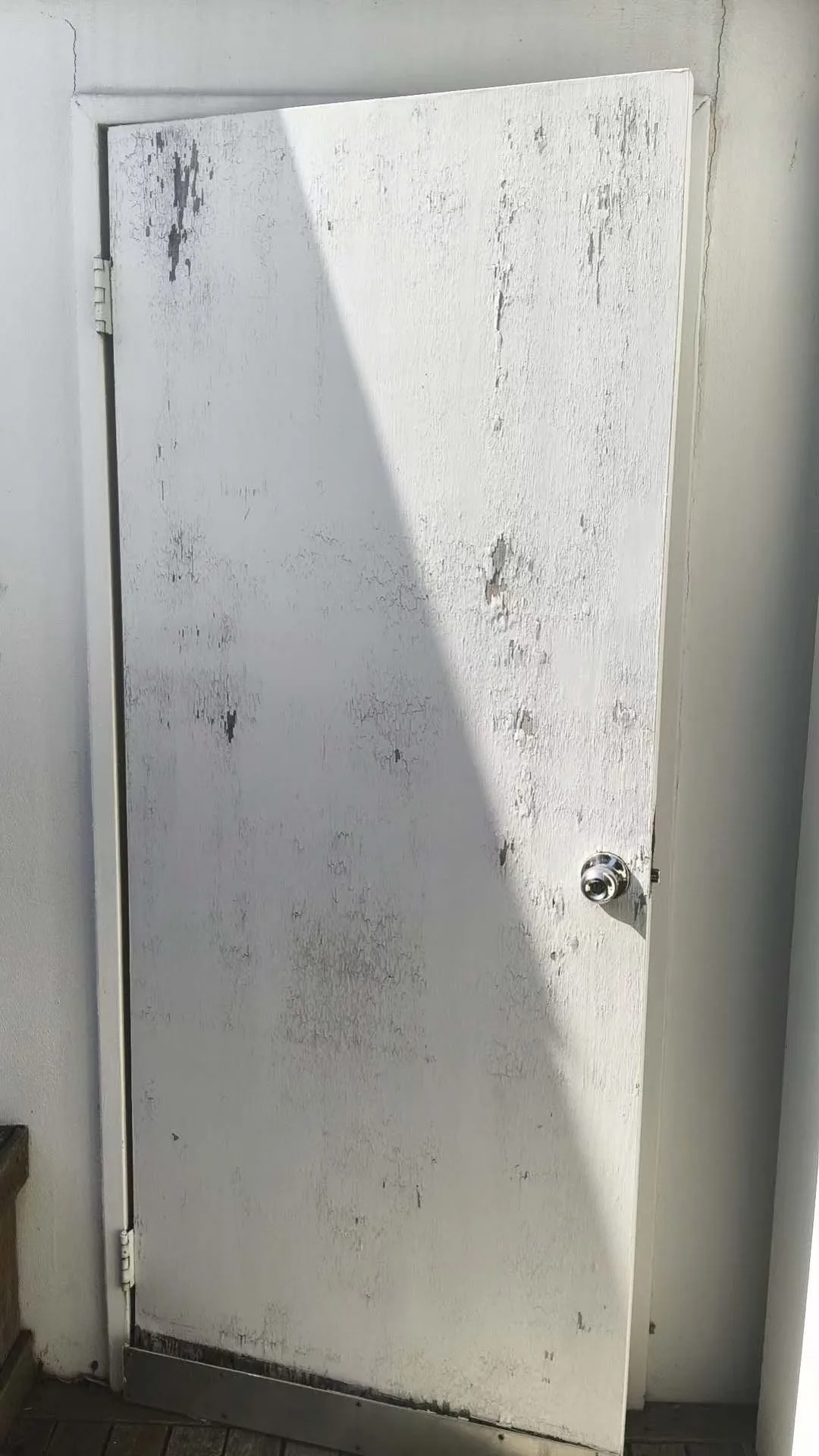
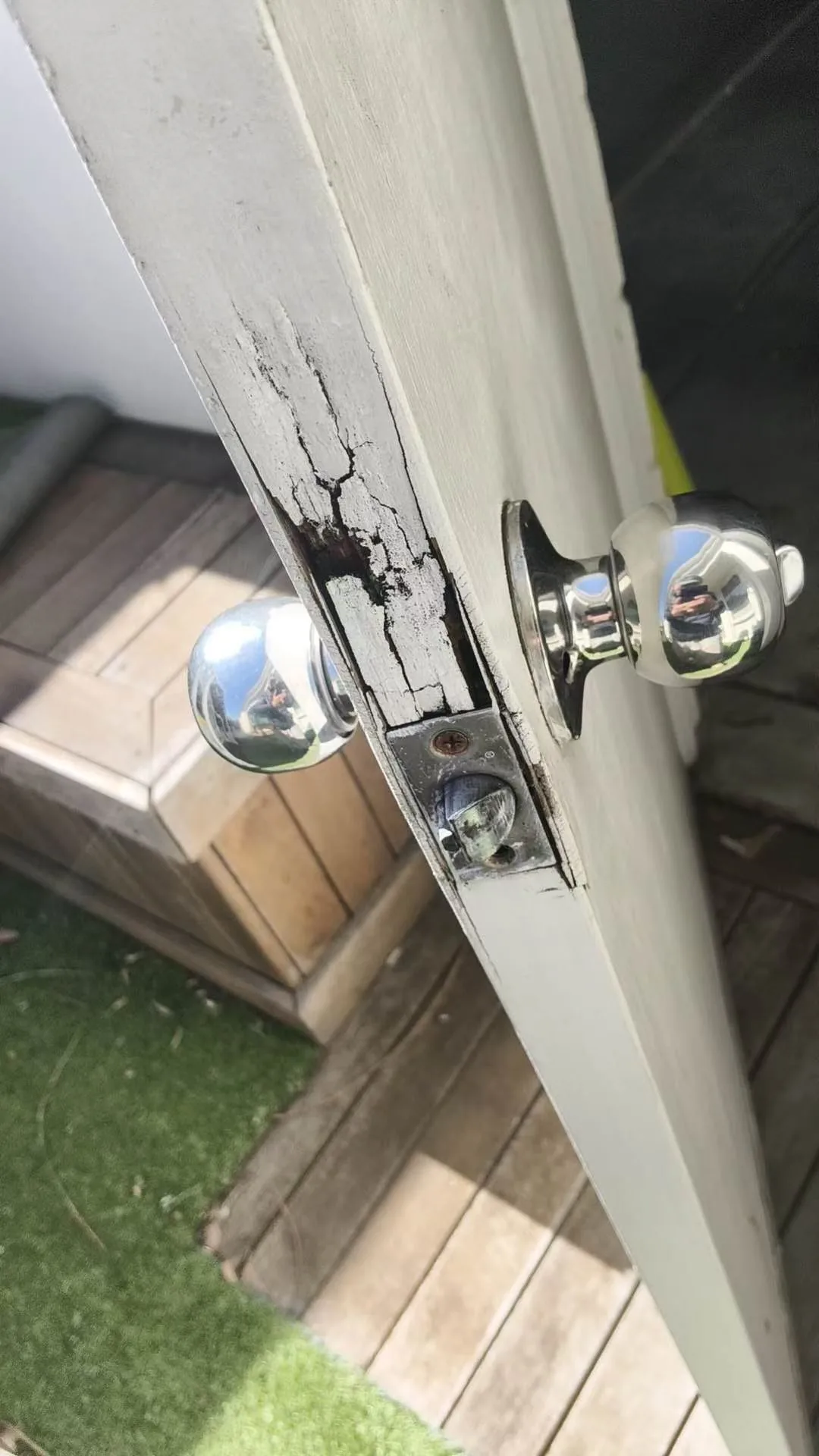
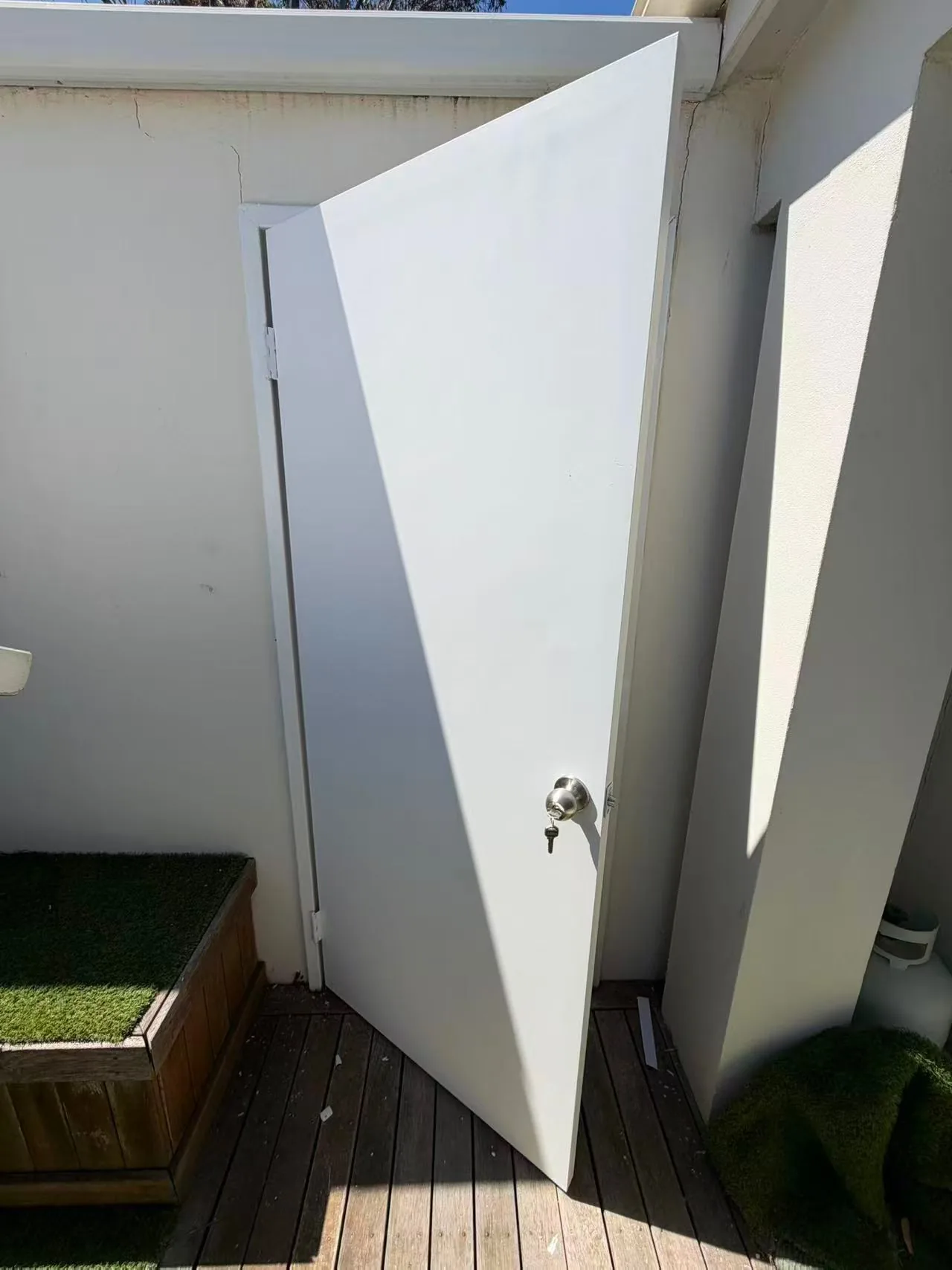
Before and after: backyard door replacement and painting
The original problem:The old backyard door leaf had worn, flaking paint and damage at the latch edge, as the two before photos show.
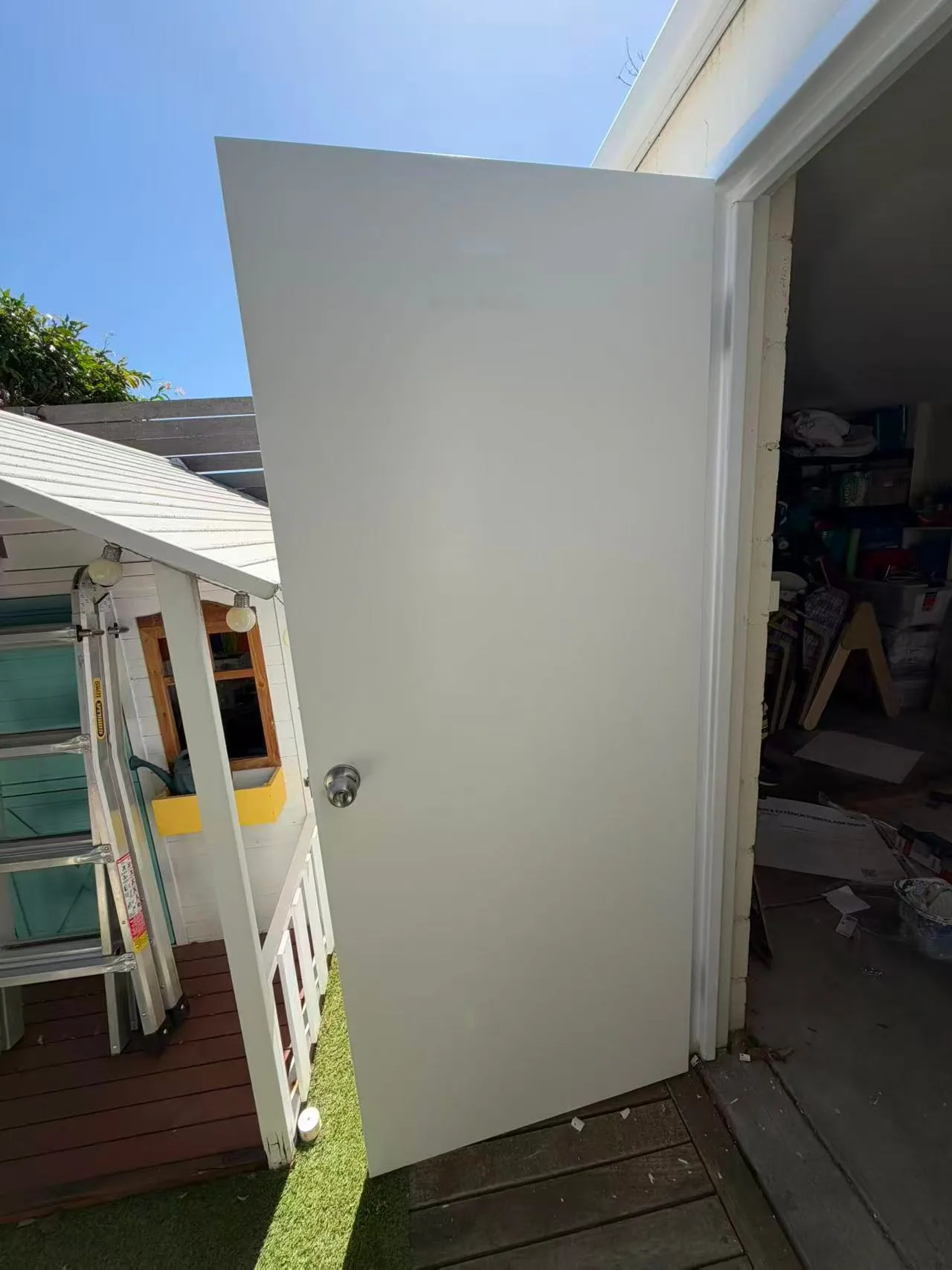
What we did:We removed the old leaf, fitted the replacement to the dimensions of the existing opening, adjusted its position and opening and closing movement, then completed the surface preparation and painting.
The finished result:The replacement leaf is fitted and painted; the final two photos show it from the outside face and from the other side while open. The work shown here is the door-leaf replacement, adjustment and paint finish.
Before: the old backyard door leaf with visibly worn and flaking paintBefore: damaged door edge around the latchAfter: exterior view of the replacement door leaf following fitting and paintingAfter: the fitted and painted replacement door leaf shown open from the other side
If a door leaf or frame is distorted, has soft or damaged timber, or has peeling paint, send a full view and close-ups of the edge, hinges and affected frame. Include your suburb, approximate opening size and whether the door still closes so we can discuss repair or replacement.
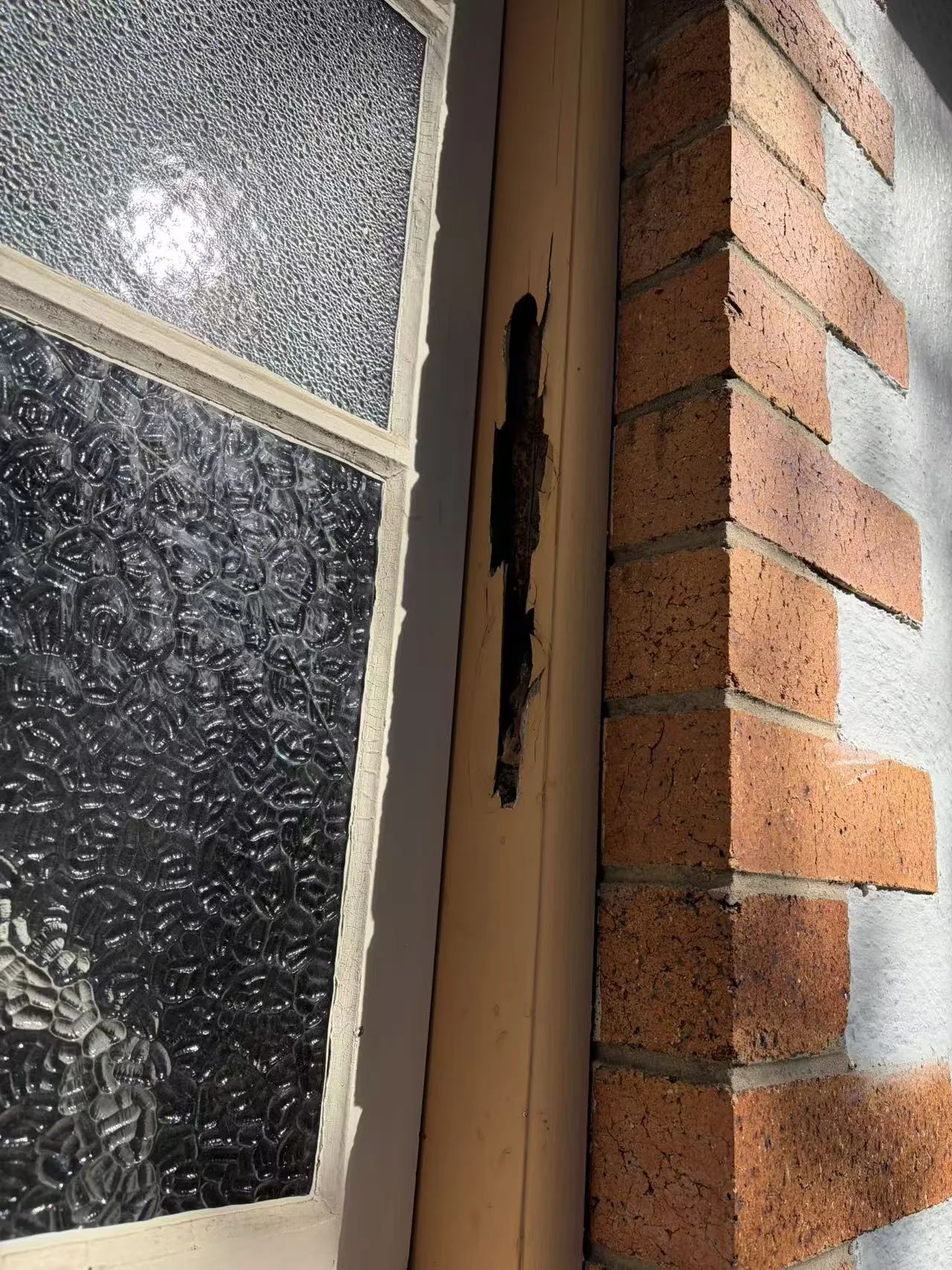
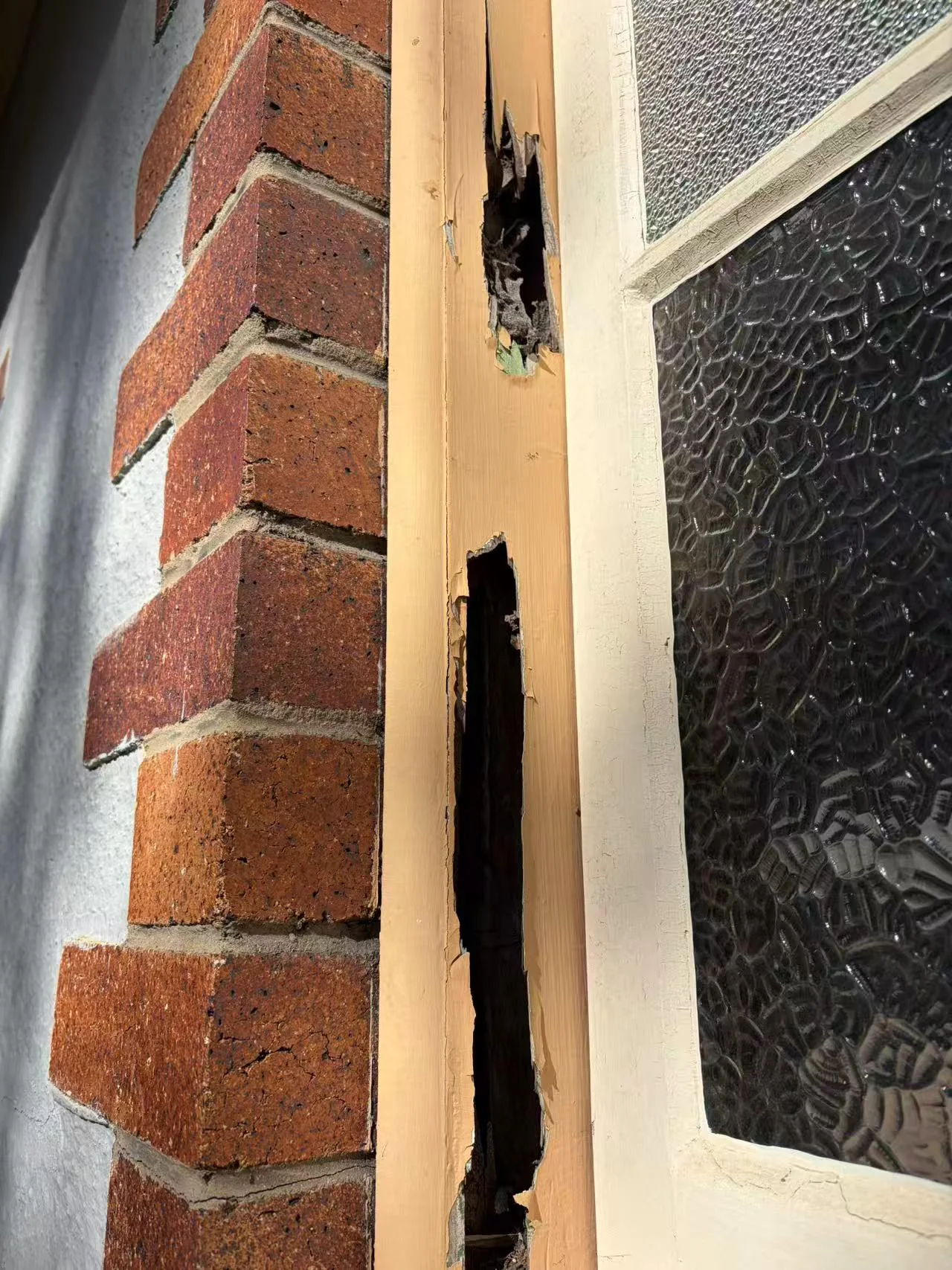
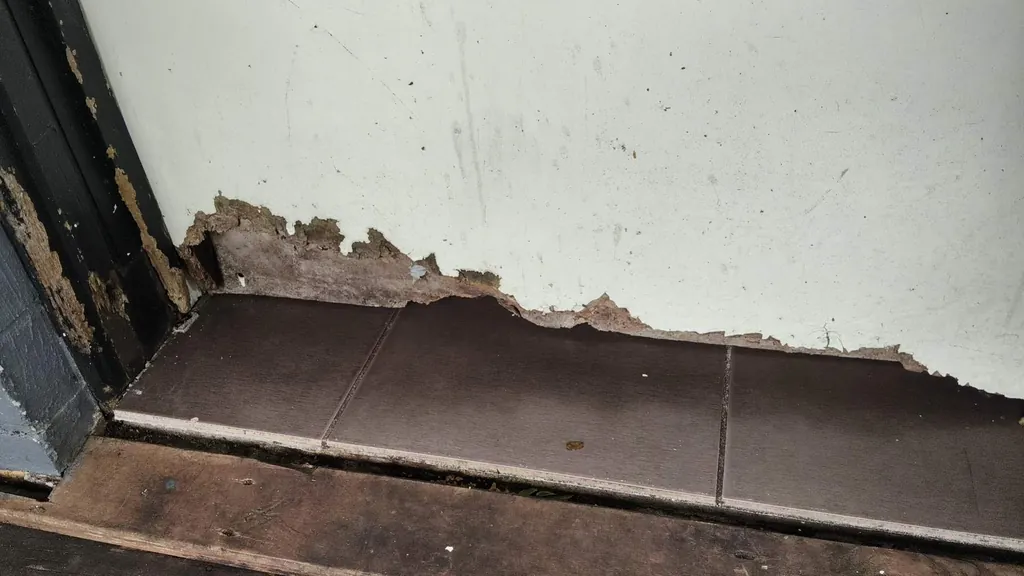
These photos show substantial visible loss of timber beside an exterior door. Before choosing filler or a replacement length, check how far sound timber continues behind the opening, whether the door still closes and latches, and whether water is reaching the frame. A quote should state the timber to be retained or replaced, sealing and paint finish, and any separate work needed around the wall or threshold.
The opening visible in the door jambCheck the full height, not only the surface
What a sound door-frame repair should achieve
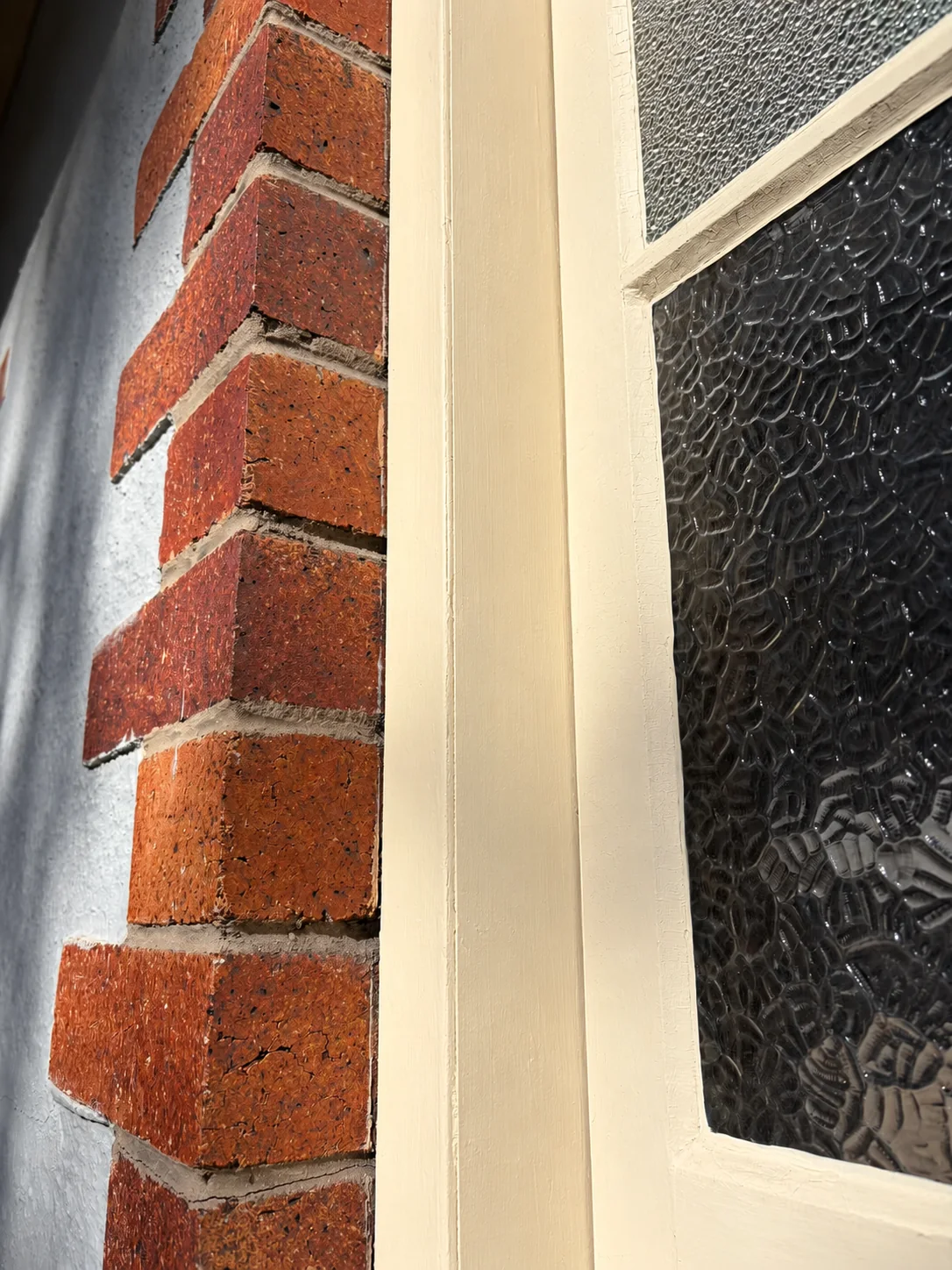
A replacement jamb must have sound fixings, allow the existing door to close and latch, and have sealed joins and an agreed paint finish. The adjacent brickwork, threshold and any continuing water entry need their own checks. The image shows one possible appearance for planning; the actual repair extent depends on the property.
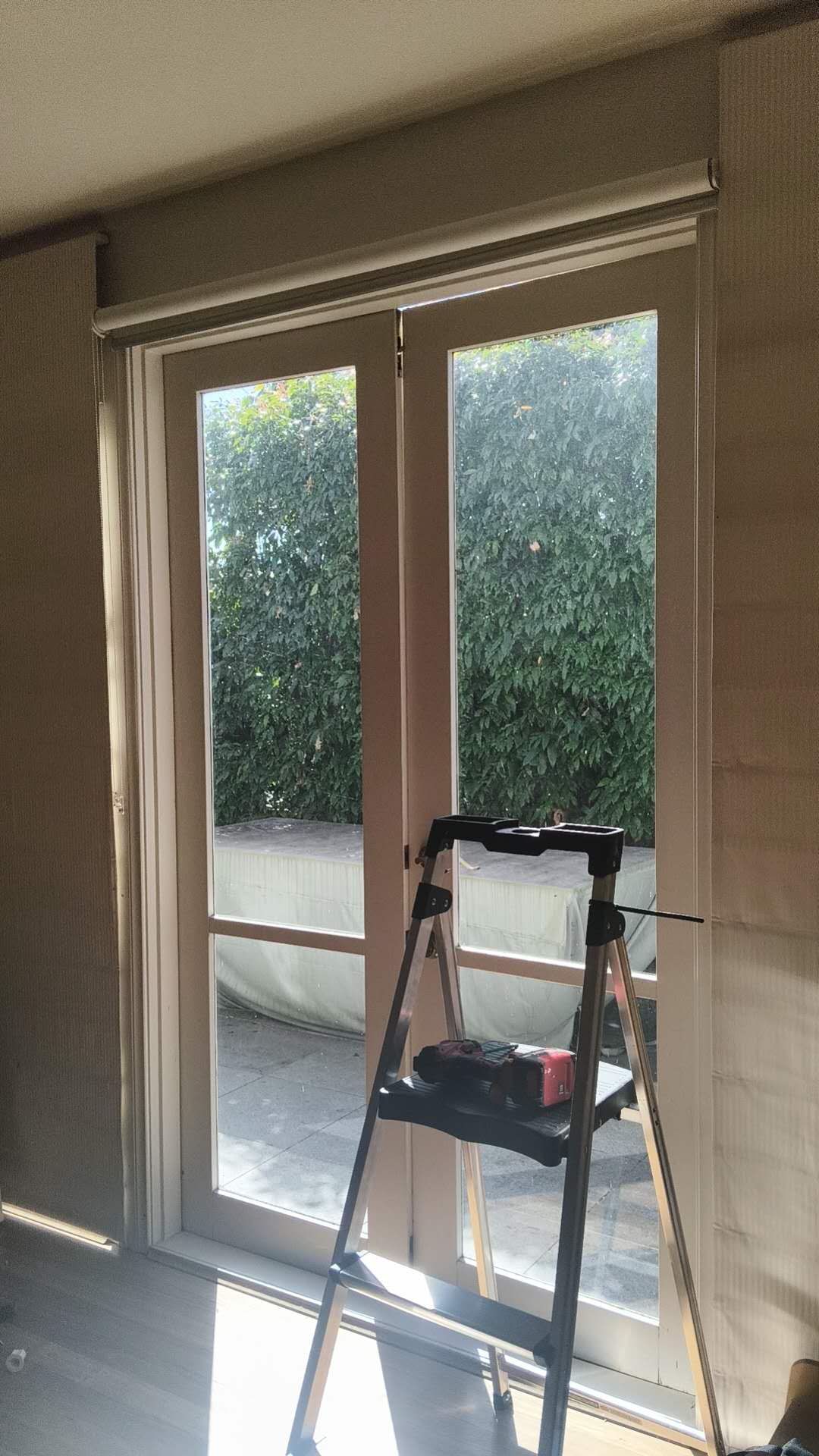
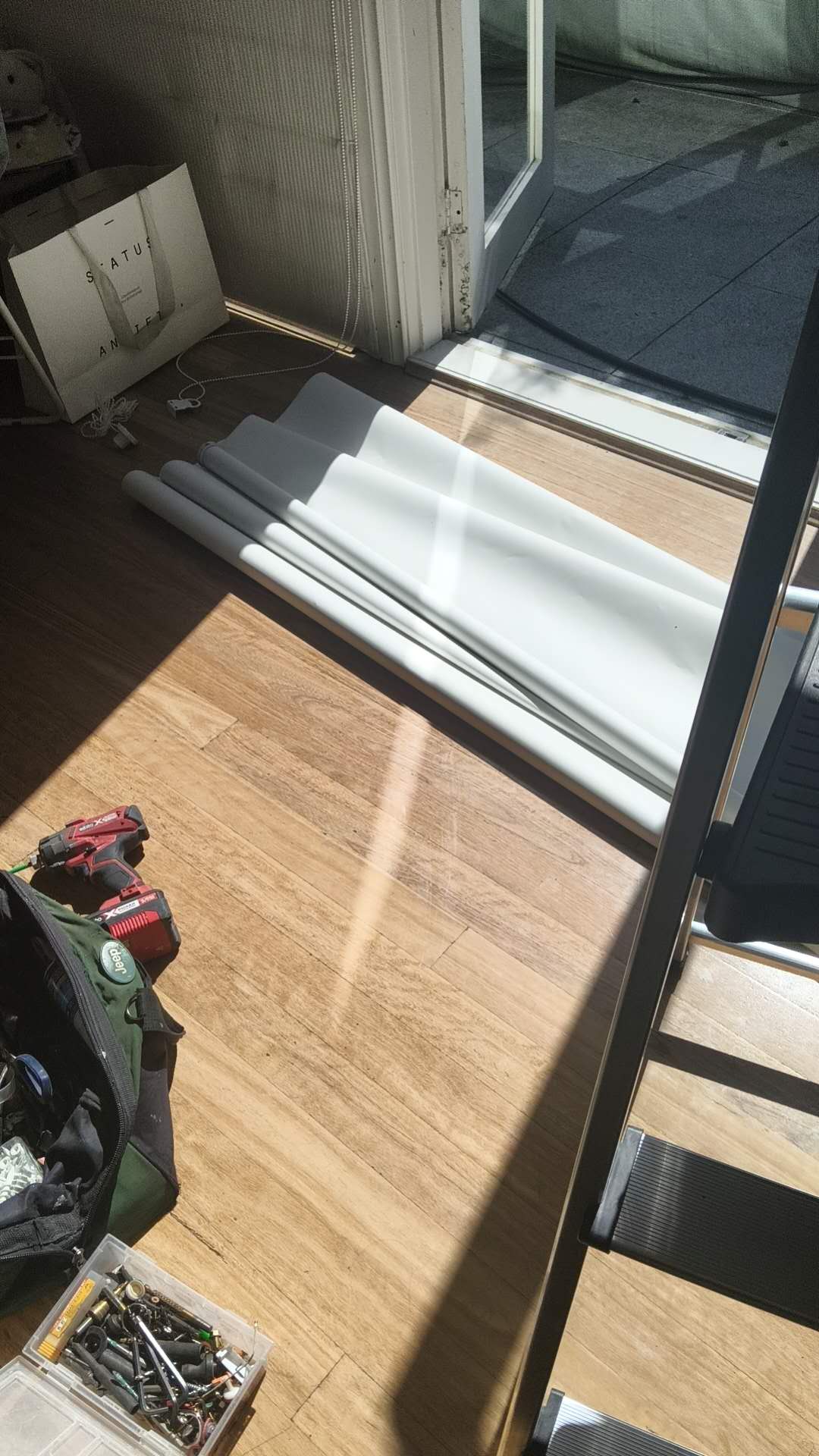
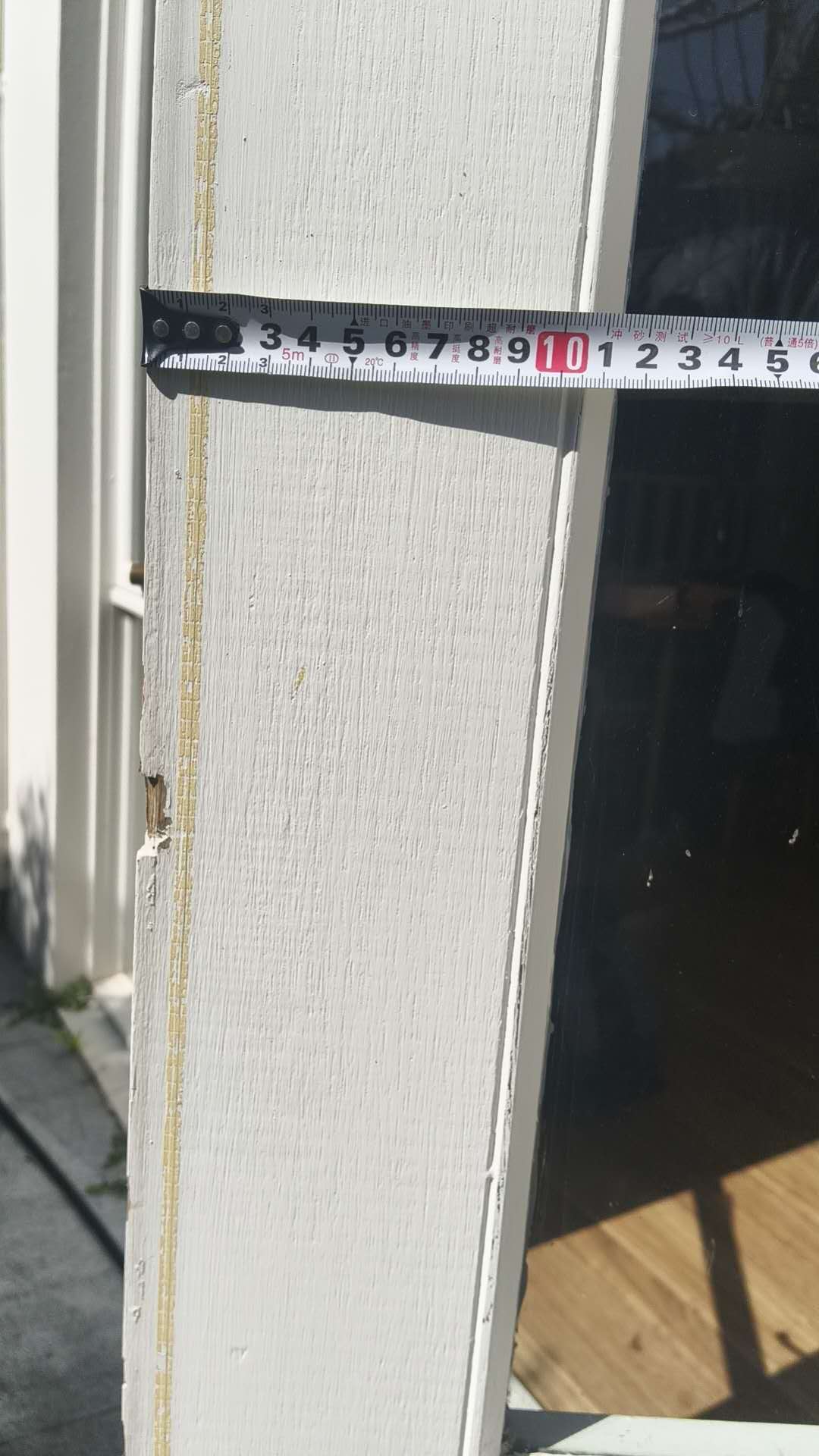
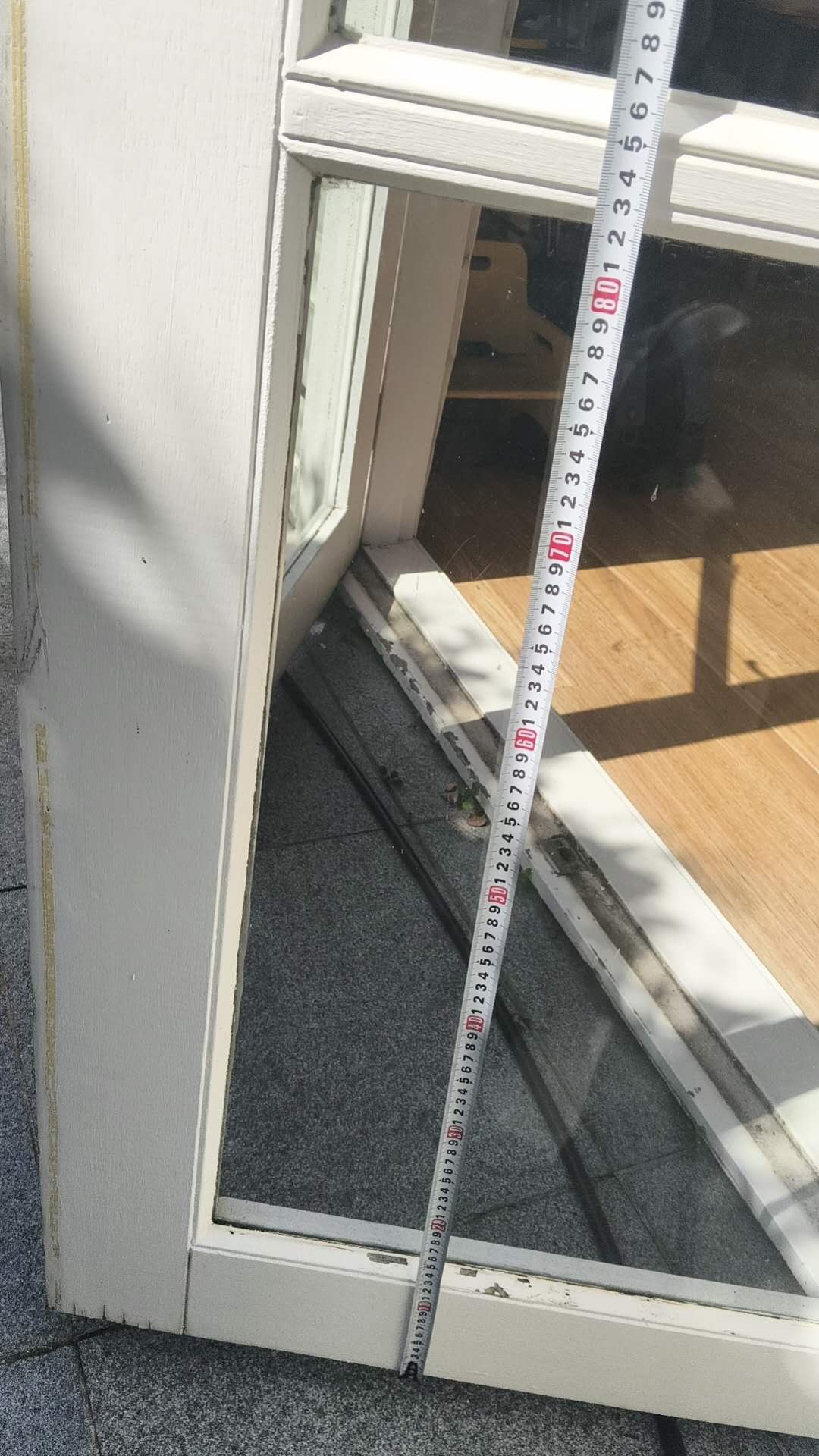
Real work photos: door and frame details
These images show a real work site and measured details. Any scope or outcome not labelled in the photos is confirmed on site.
The complete door and surrounding frameThreshold and work areaDoor-jamb detailLower frame and threshold
Real case photos: door panels, frames and latch work
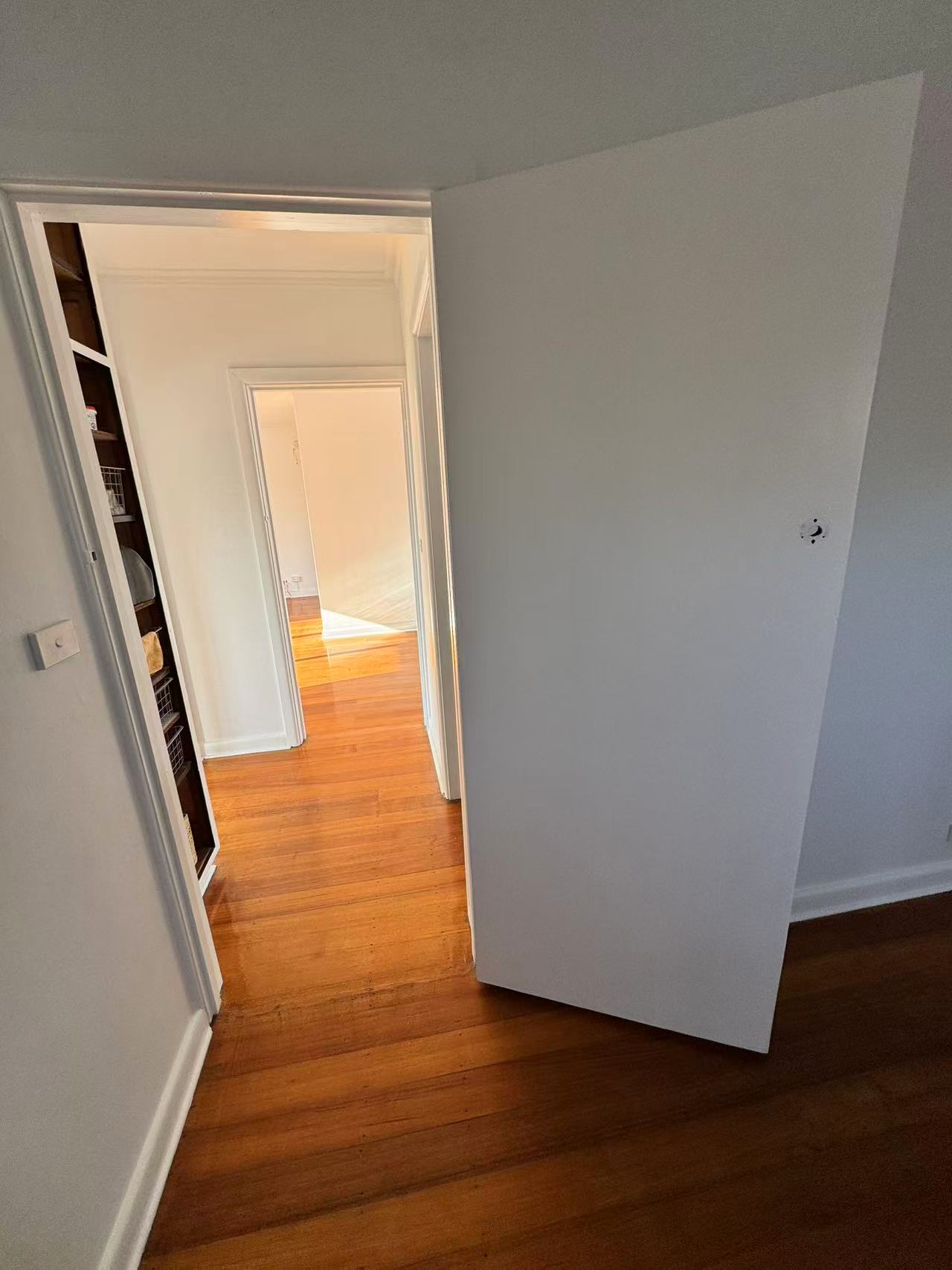
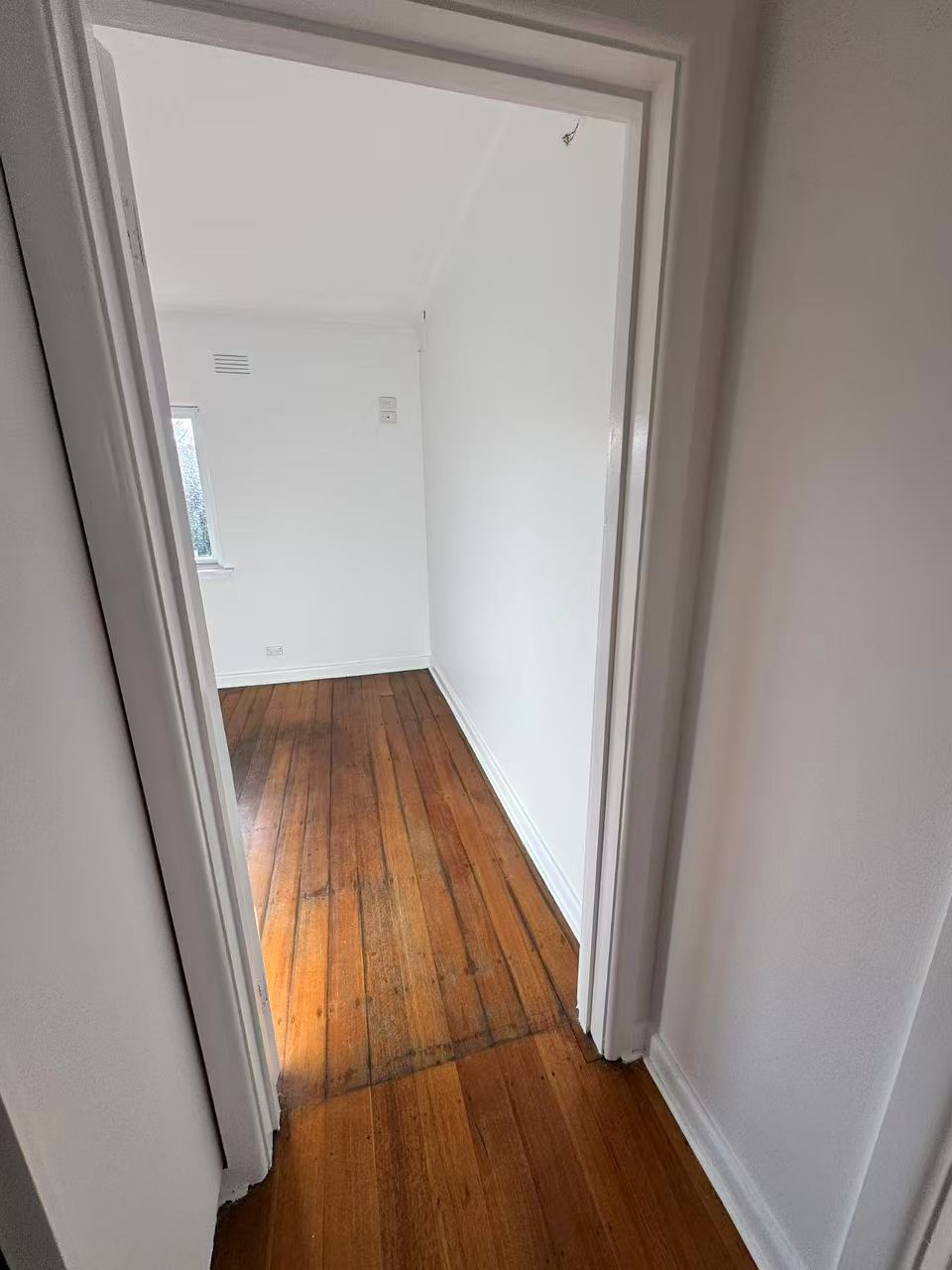
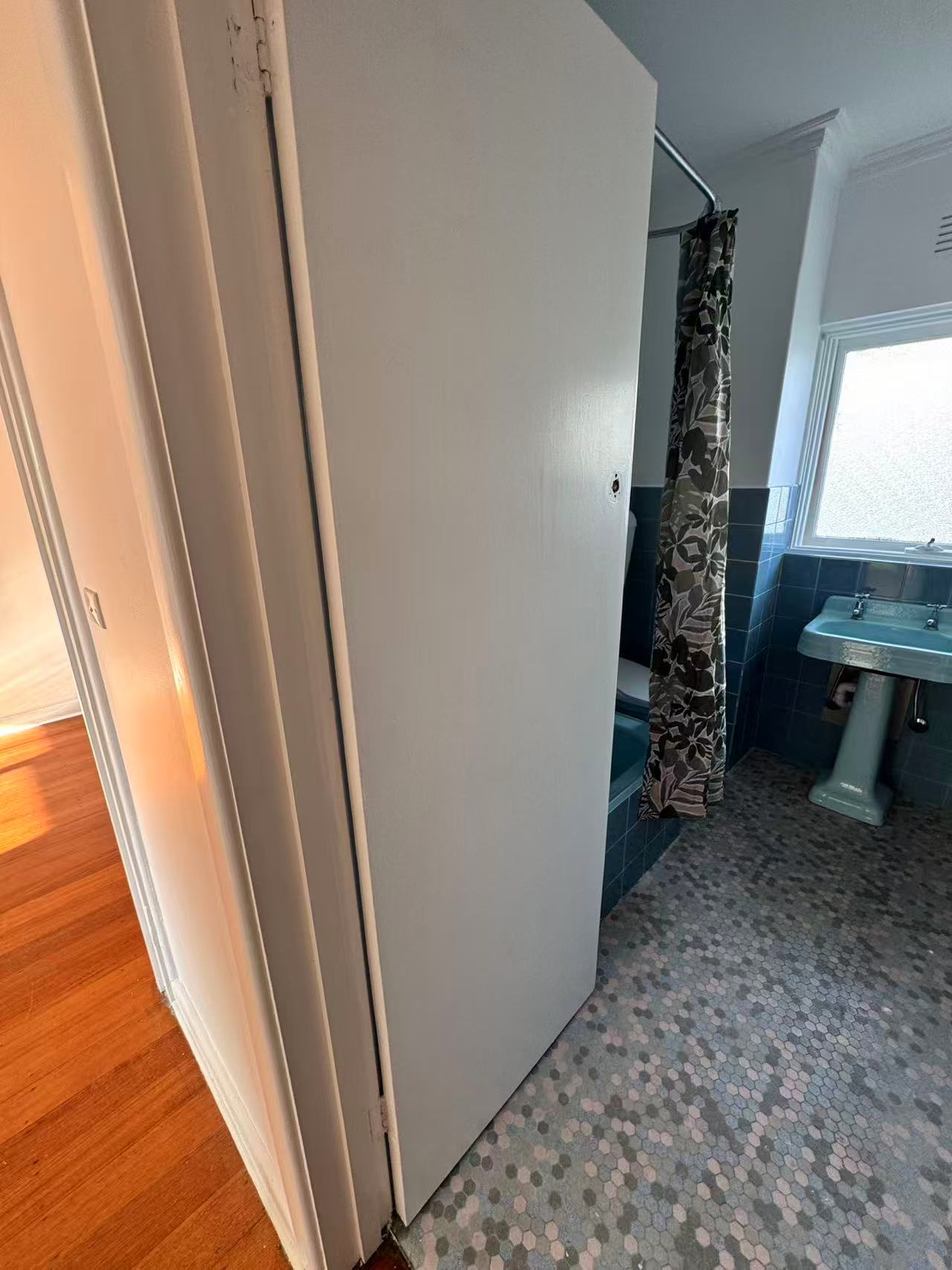
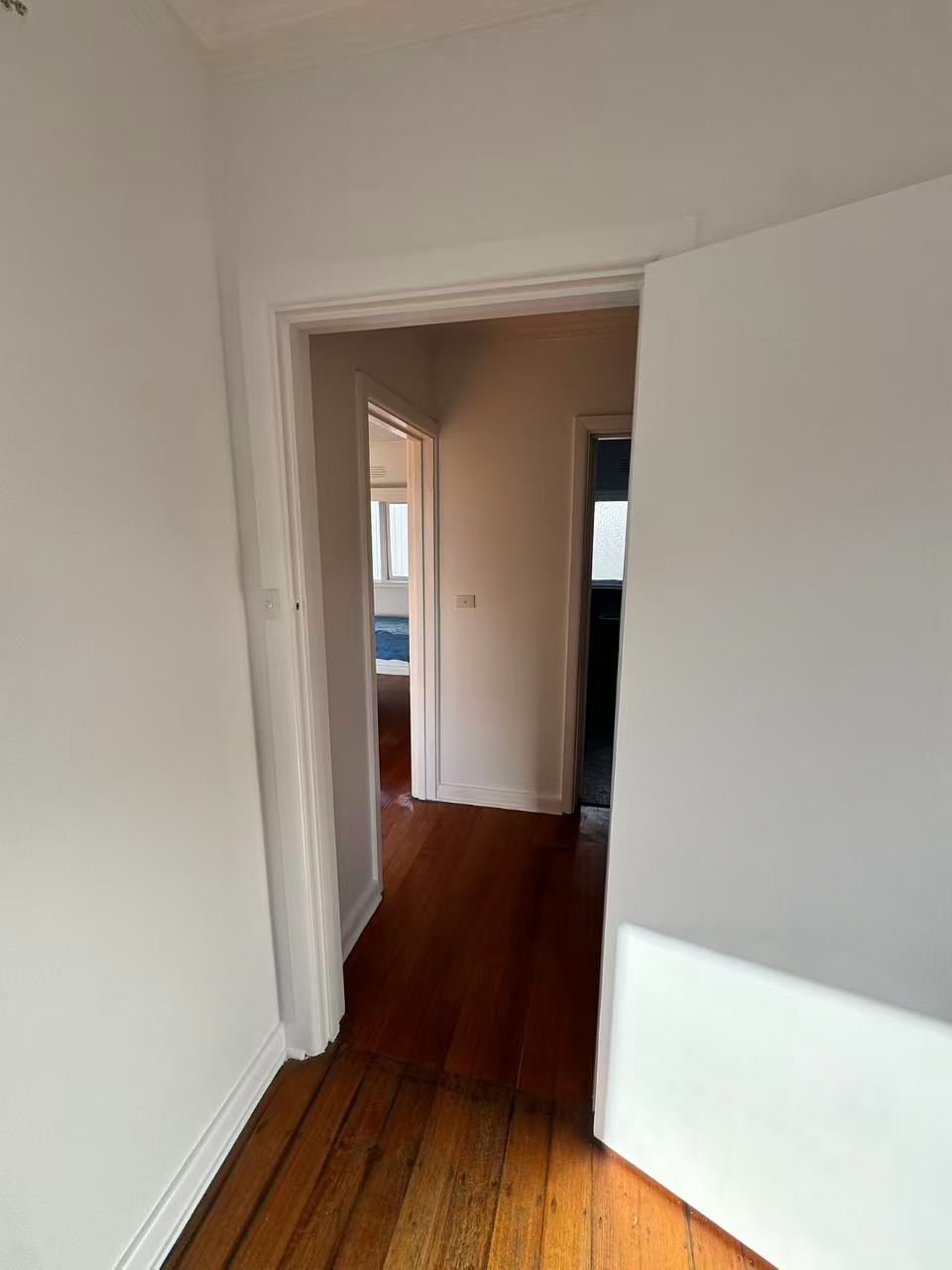
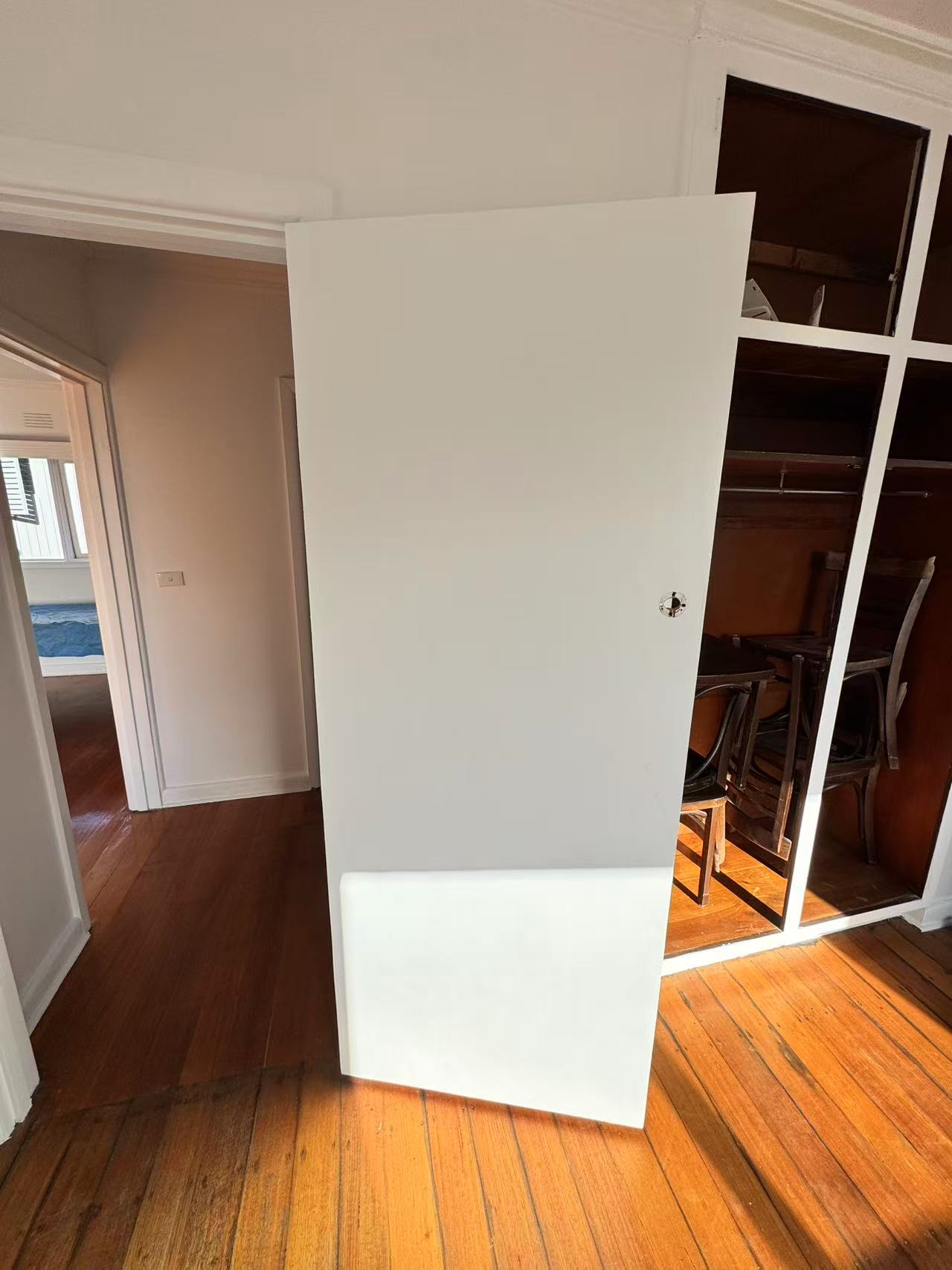
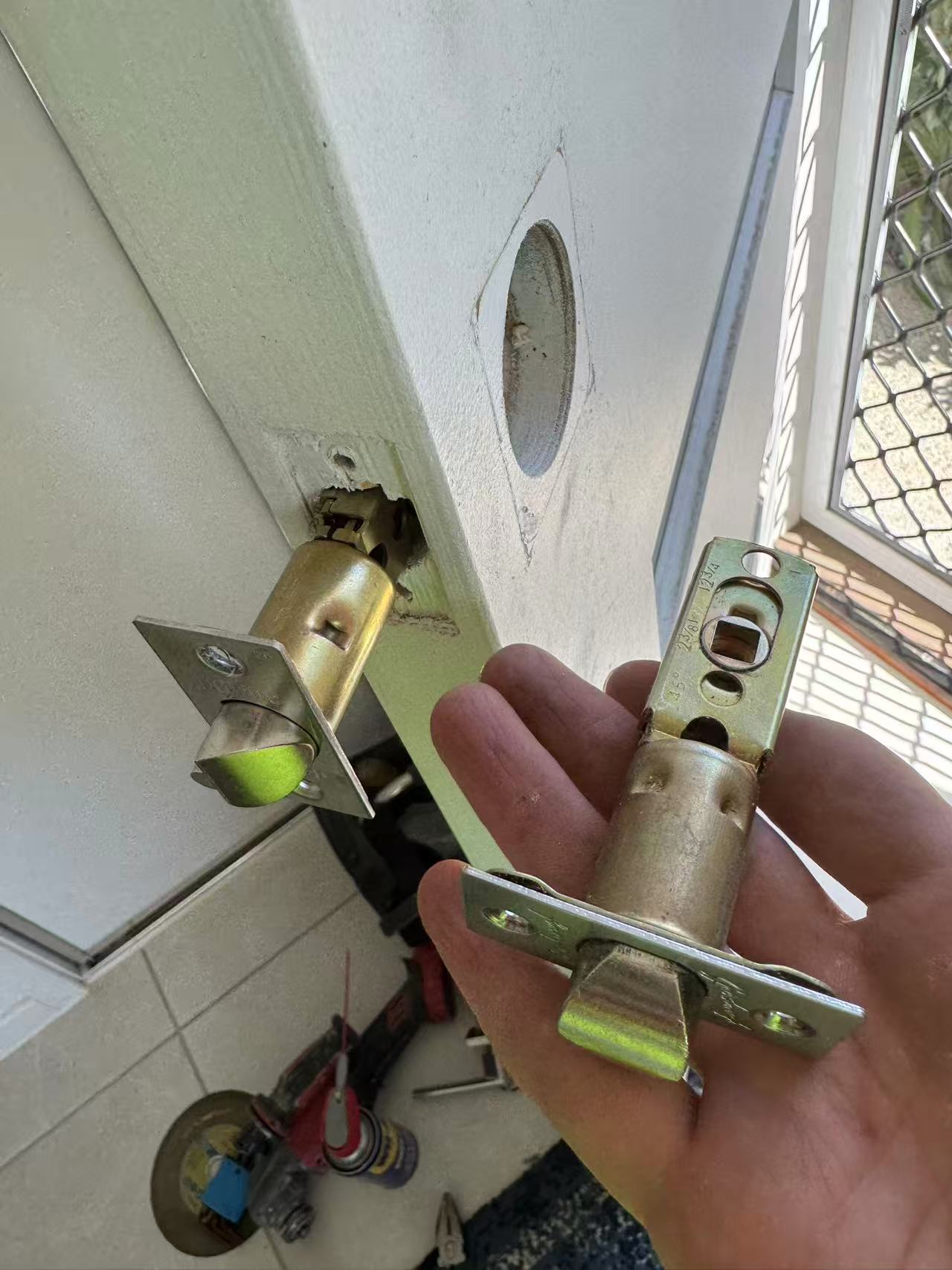
These interior-door examples show separate working stages: white doorway trim, a door leaf with an exposed hardware opening, an open door in its frame and a door edge beside latch components. They show how the trim, door edges and hardware meet. The separately labelled backyard-door sequence shows one door replacement and painting project.
Doorway trimDoor leaf and frameOpen door and surrounding frameDoor and hallway frameDoor panel before hardware fittingLatch components during work
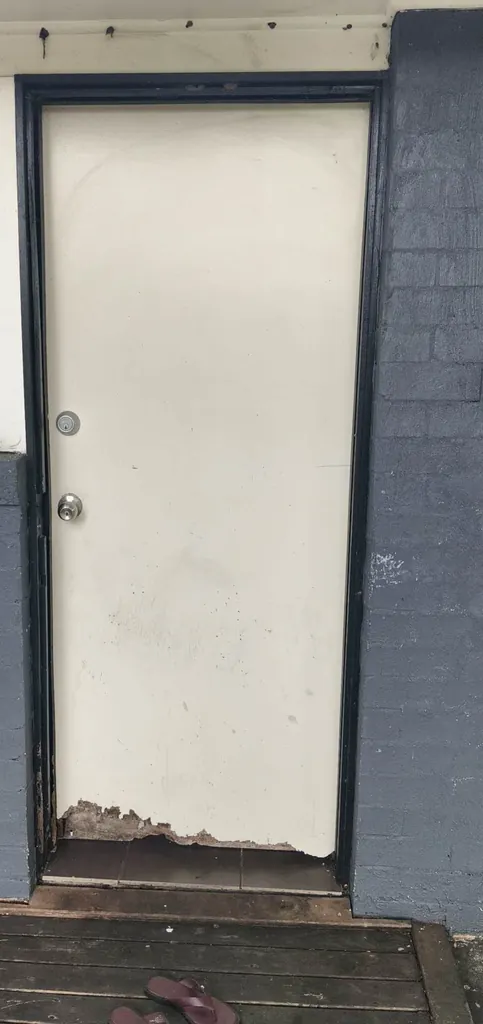
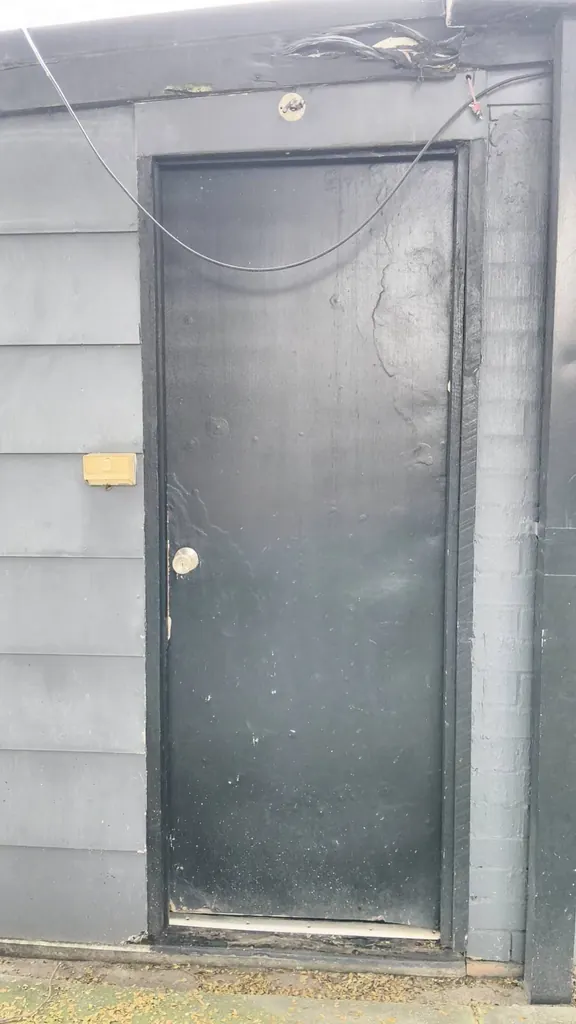
Two outside doors with damaged lower edges
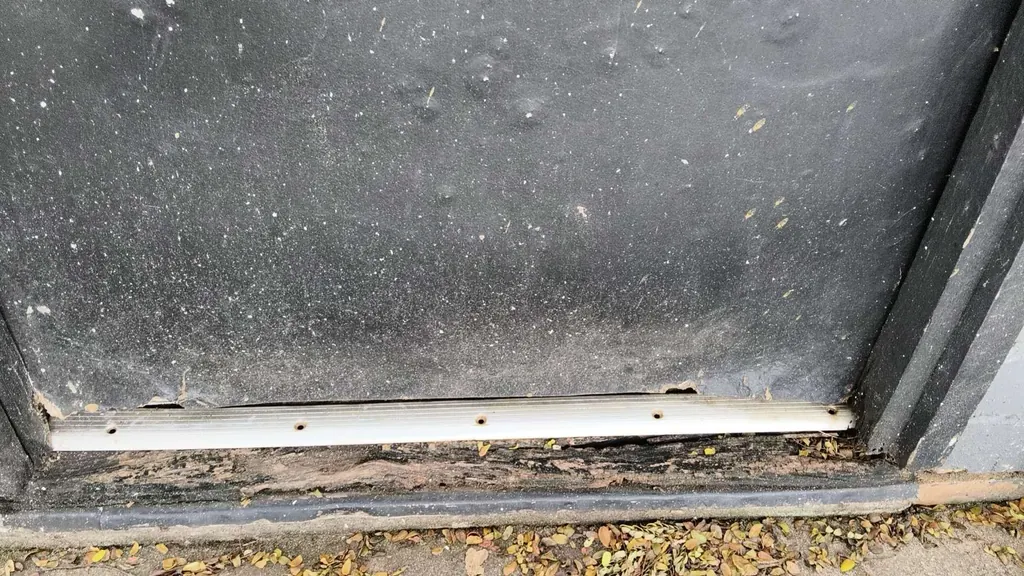
The light door has broken material along its bottom edge. At the dark door, the threshold is worn and the lower corners show damage. The photos show two separate door openings.
The door leaf, the frame and the threshold are separate parts. Check which part is affected and where water reaches the opening. A sound frame may be kept when the leaf needs replacing. If the frame or threshold is also soft, allow for that work and address the moisture source before finishing.
Light exterior door with damage along its bottom edgeBroken lower edge and threshold on the light doorDark exterior door and weathered surroundWorn threshold at the dark door
Checking an internal door that rubs or will not catch
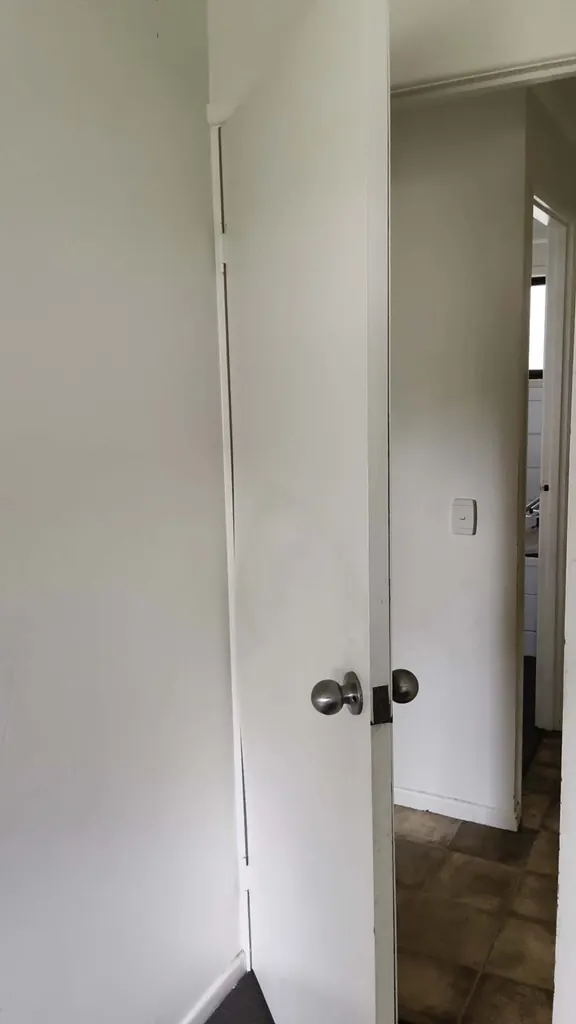
The photo shows the hinge side of a partly open internal door, with its latch and surrounding frame visible.
Try closing the door gently and note where it catches. We then see whether the hinge screws are loose, the door edge rubs, or the latch misses its plate. Knowing which part moved helps decide whether adjustment, refitting the hardware or repairing the frame is needed.
Internal door with a view of the hinges, latch and frame
Hinged timber double doors with damaged edges
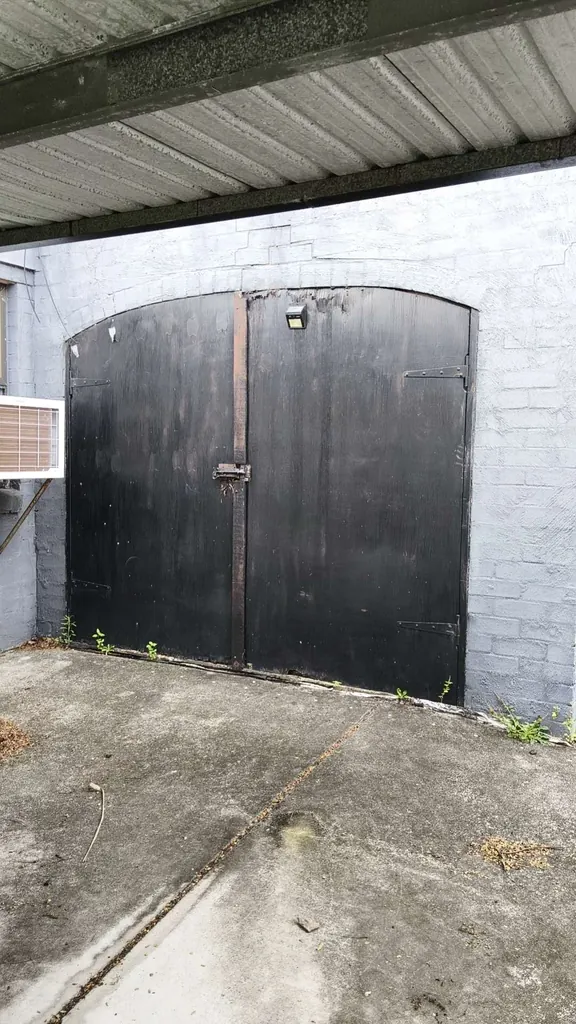
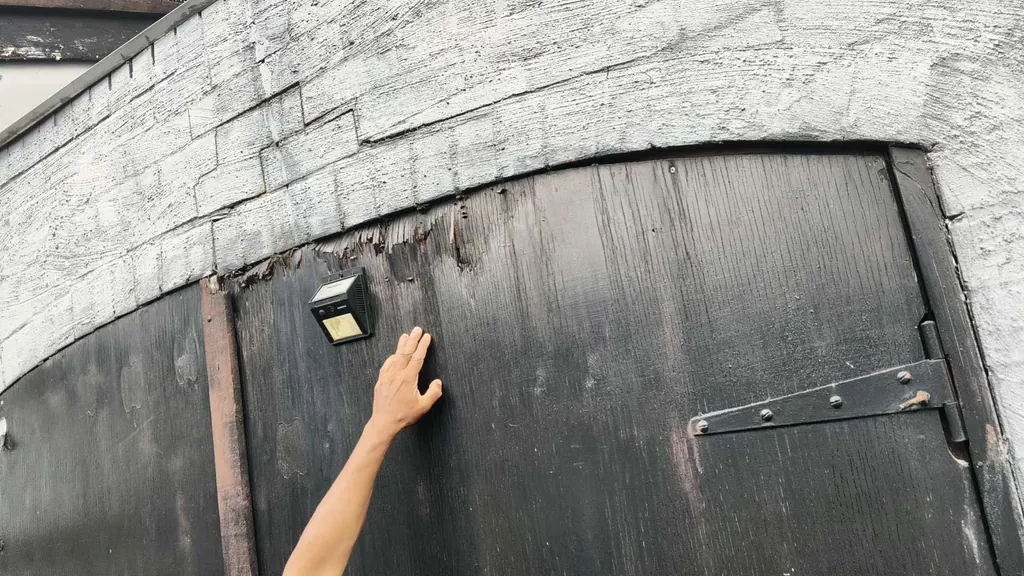
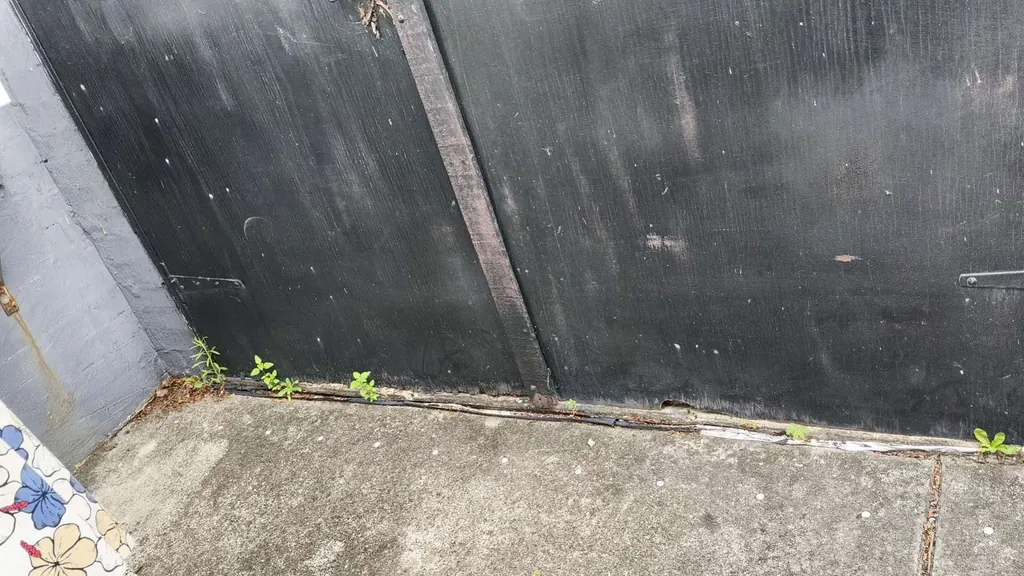
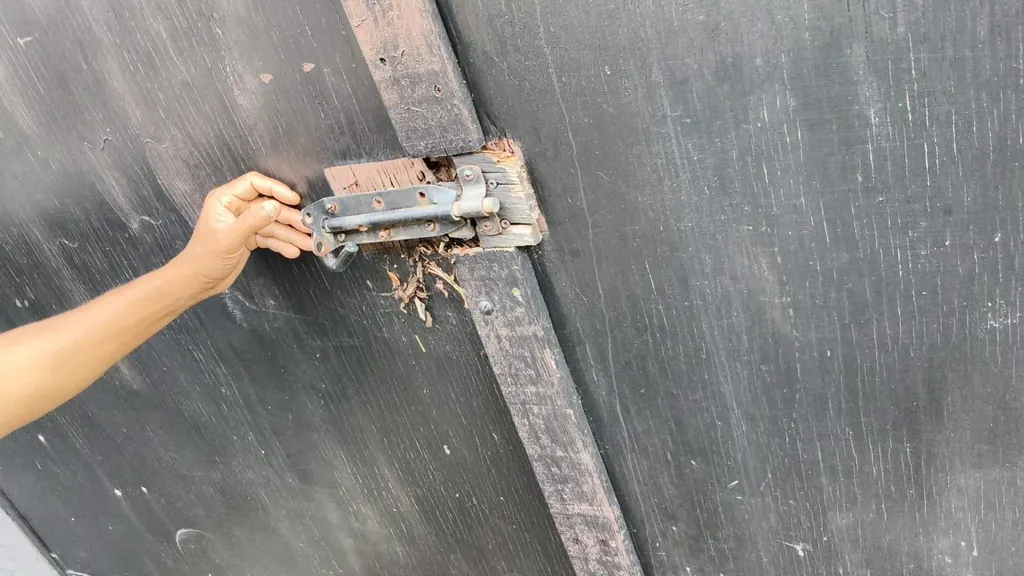
The arched opening has two hinged timber doors. Their edges are worn, and the close-up shows split timber at the sliding bolt fixing.
The size of the opening and the condition of both leaves matter. Check whether the hinges and bolt can hold in solid timber, and whether one door drags when you open it. If the damaged wood is limited to the fixing area, a local repair may be possible. Larger sections of damaged timber can affect whether a leaf can stay.
Two hinged timber doors in the arched openingDamaged top edge beside the hingeWorn lower edges where the doors meet the groundSliding bolt attached to split timber
Check the location
We take residential timber enquiries in Sydney and the selected Central Coast, Illawarra and Wollondilly locations listed in our service directory. Tell us your suburb and the work needed; we will discuss scope, access, timing and any travel charges before arranging a visit.